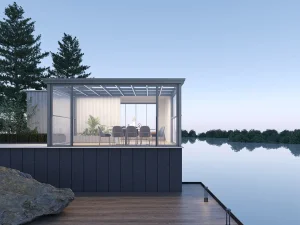
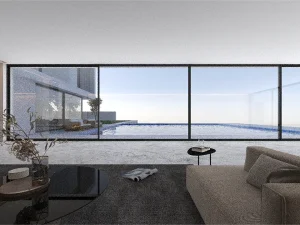
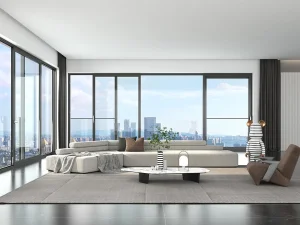
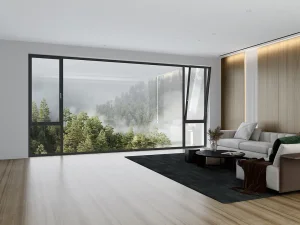
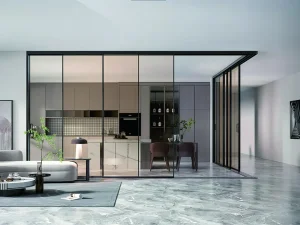
In the contemporary architectural landscape, the kitchen sliding glass door has transitioned from a mere utility component to a central element of spatial ergonomics and aesthetic identity. As global urbanization intensifies and "open-plan" living becomes the standard, the demand for high-performance sliding systems has surged. Suppliers and manufacturers are no longer just selling doors; they are providing integrated habitat solutions that balance thermal efficiency, acoustic insulation, and seamless visual transitions.
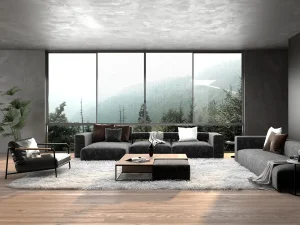
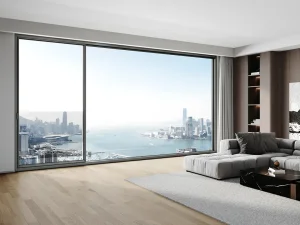
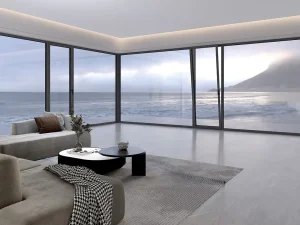
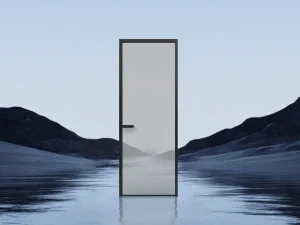
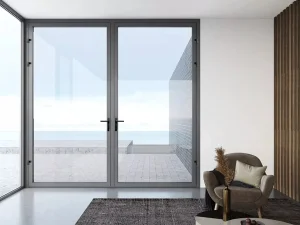
One of the most significant trends in the global market is the "Biophilic Design" movement. Modern kitchen sliding doors are increasingly using ultra-narrow profiles—like the Xingyue 109 Series—to maximize natural light and foster a psychological connection to the outdoors. This semantic shift in architecture places a premium on "transparency" without sacrificing "performance." Manufacturers are now utilizing aerospace-grade aluminum and multi-chamber thermal breaks to ensure these expansive glass surfaces meet the rigorous energy codes of Europe and North America.
Suozhe Doors & Windows represents the pinnacle of China’s "Manufacturing 4.0" initiative. Operating out of a massive 60,000-square-meter modern garden-style production base, the company has integrated fully automated intelligent production lines. This is not merely about volume; it is about precision engineering. For global procurement officers, this translates to consistency. Whether ordering the Guangying 138/206 Series or the Kasaier 80 Series, every unit undergoes rigorous testing in an industry-leading center to ensure soundproofing, water tightness, and air tightness meet international standards.
The resilience of the Chinese supply chain lies in its vertical integration. From R&D to systematic manufacturing and globalized operations, Suozhe controls the entire lifecycle of the product. This reduces the "Information Asymmetry" often found in international B2B sourcing, providing high-end customization that aligns with local architectural requirements across Southeast Asia, Europe, and the Americas.
Energy efficiency is the top priority for commercial developers. Systems like the Bolan 85 Series offer superior U-values, critical for LEED-certified projects.
In metropolitan hubs, space is a luxury. Ultra-narrow sliding doors and folding systems allow for flexible spatial division without physical clutter.
B2B buyers prioritize manufacturers with ISO 14001 and ISO 45001 certifications to ensure ethical and sustainable production cycles.
The next frontier is the integration of smart sensors and automated sliding mechanisms that sync with Home Automation Systems.
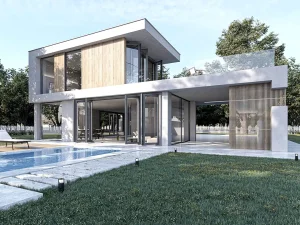
While the primary application remains the residential kitchen, Suozhe’s high-end systems are increasingly appearing in diverse commercial and industrial settings:
These applications demand the "Three-High Standards" (High Performance, Premium Quality, Aesthetic Appeal) that Suozhe has pioneered. By using the "Environment + Science + Human Habitat" framework, the brand ensures that each product contributes to a healthy and energy-efficient living environment.
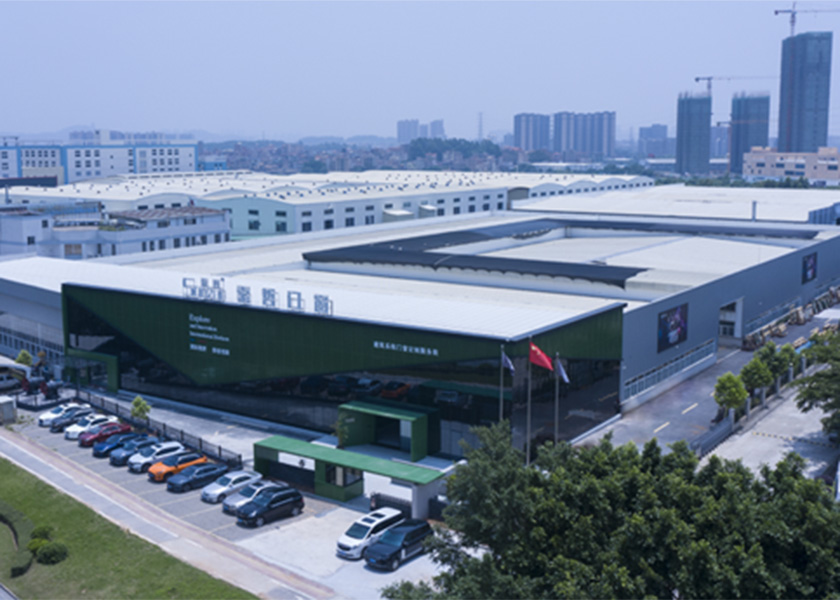
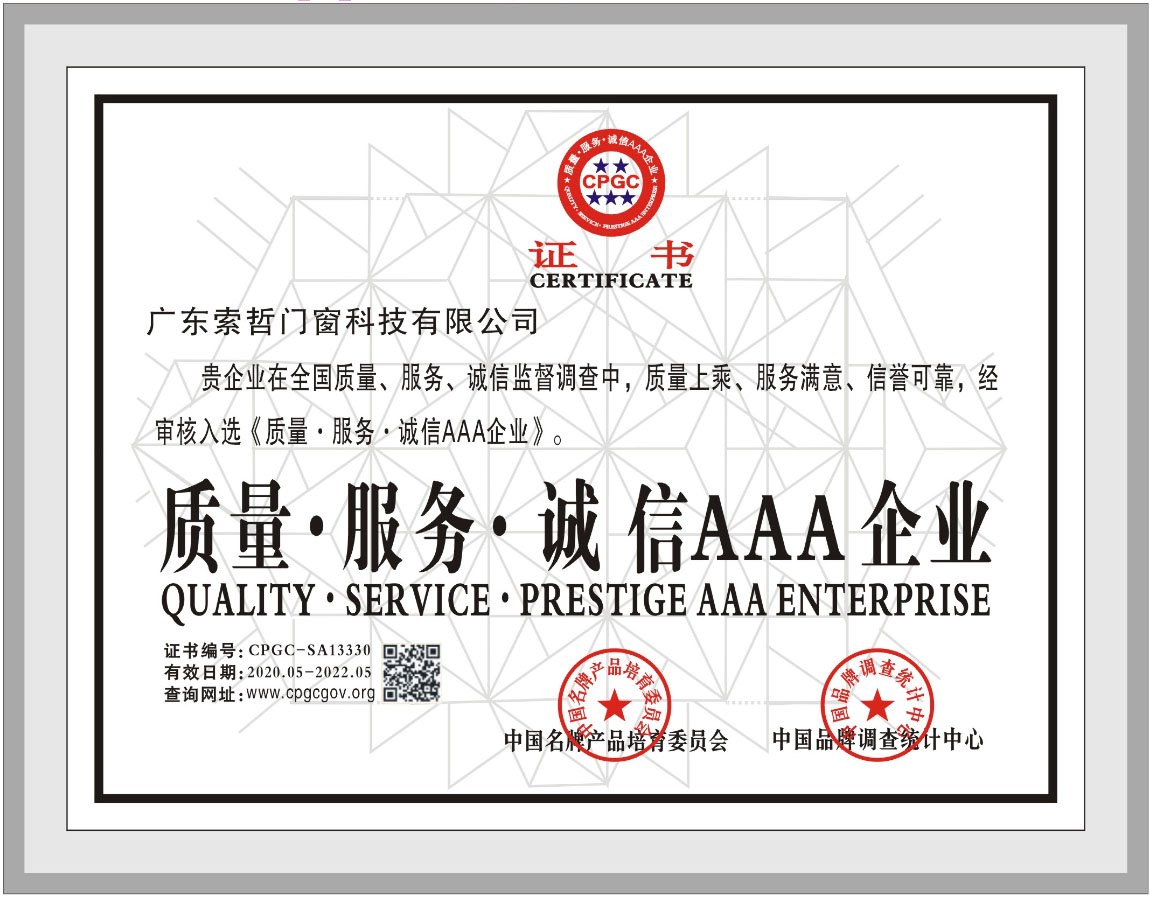
As a participating editor of the Prefabricated Sunroom Standards and a Standing Committee Member of the Guangdong Doors & Windows Association, Suozhe Doors & Windows demonstrates unparalleled authority. With over 200 national patents, particularly in seamless welding and high-performance system windows, the expertise is backed by tangible innovation. This is the "Information Gain" that savvy SEOs and procurement experts look for—moving beyond marketing fluff into certified, patented performance.

System doors, like those from Suozhe, are designed with integrated components (profiles, hardware, glass, seals) that are tested to work together perfectly. This results in significantly higher air tightness, water resistance, and long-term durability compared to fragmented assembly products.
We operate under the triple management system (QES: ISO 9001/14001/45001). Each product undergoes stress testing in our dedicated door and window testing center before shipping to Europe, America, or Southeast Asia.
Yes. Our "Three-High Standards" focus on high performance. We utilize thermal breaks and specialized glass coatings (Low-E) to handle both tropical humidity and sub-zero environments, ensuring energy efficiency year-round.
Thanks to our automated intelligent production lines, we maintain high efficiency even with large-scale custom orders. Lead times typically range from 25 to 45 days depending on customization complexity and shipping logistics.
 Suozhe Windows