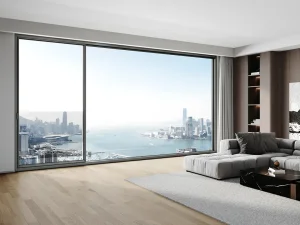
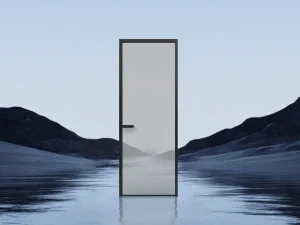
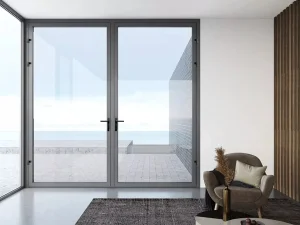
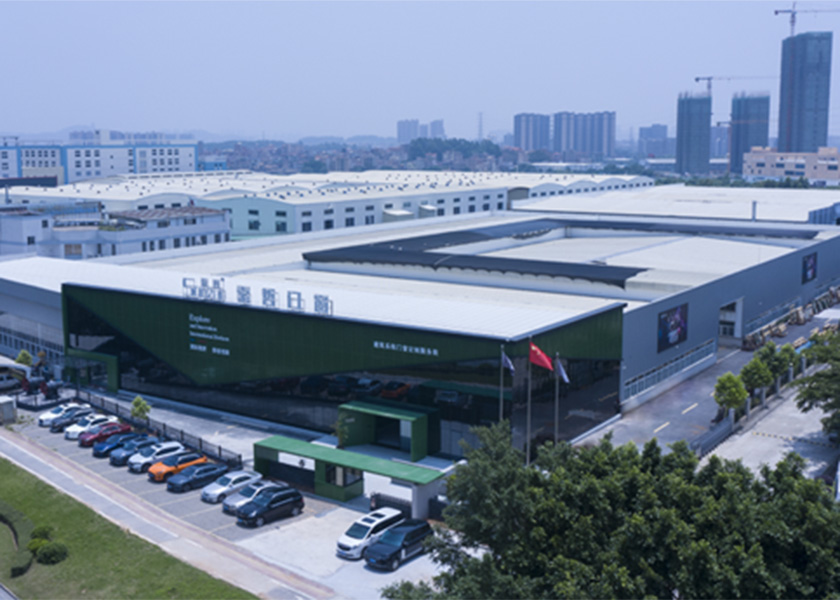
Suozhe Doors & Windows is a professional enterprise specializing in the R&D, manufacturing, and marketing of architectural system doors and windows, engineering curtain wall doors and windows, outdoor sunshade engineering systems, and related products. Equipped with an industry-leading door and window testing center, the company operates a modern garden-style production base spanning over 60,000 square meters, featuring fully automated Industry 4.0 intelligent production lines.
Its branded franchise stores are distributed nationwide, and its products are exported to multiple countries across Europe, America, and Southeast Asia, solidifying its position as a pioneering high-end customization leader in the system doors and windows industry.
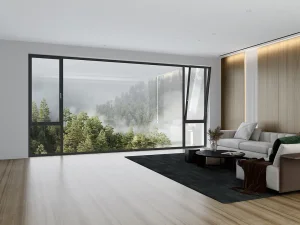
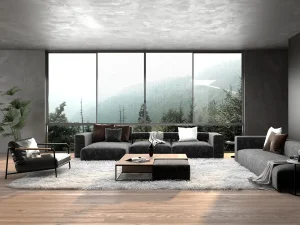
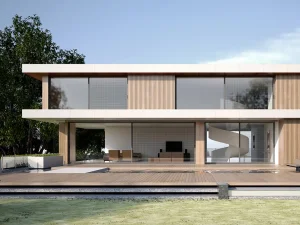
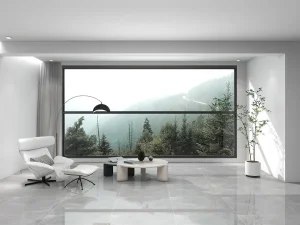
Tailored engineering and architectural glass wall solutions integrating structural requirements, aesthetics, and localized environmental loads.
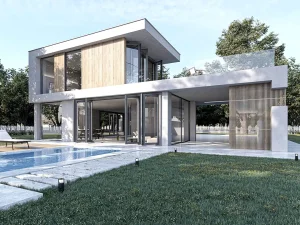
Utilizing high-performance structural materials like aerospace-grade aluminum profiles alongside smart building integration solutions.
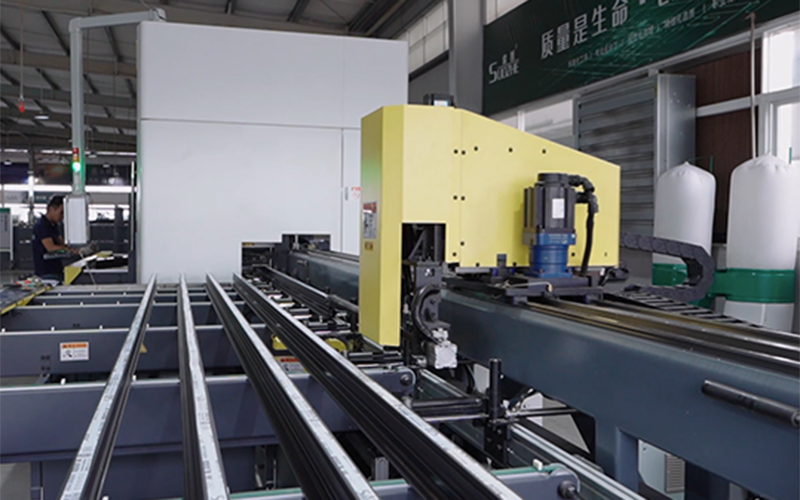
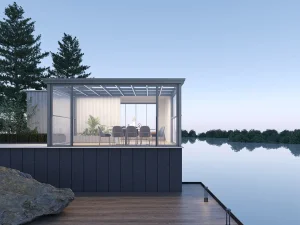
60,000+ square meter facility deploying automated Industry 4.0 production lines to guarantee spatial precision and high throughput.
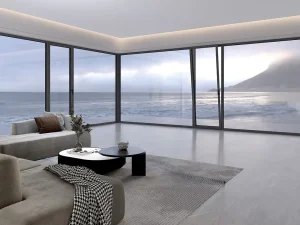
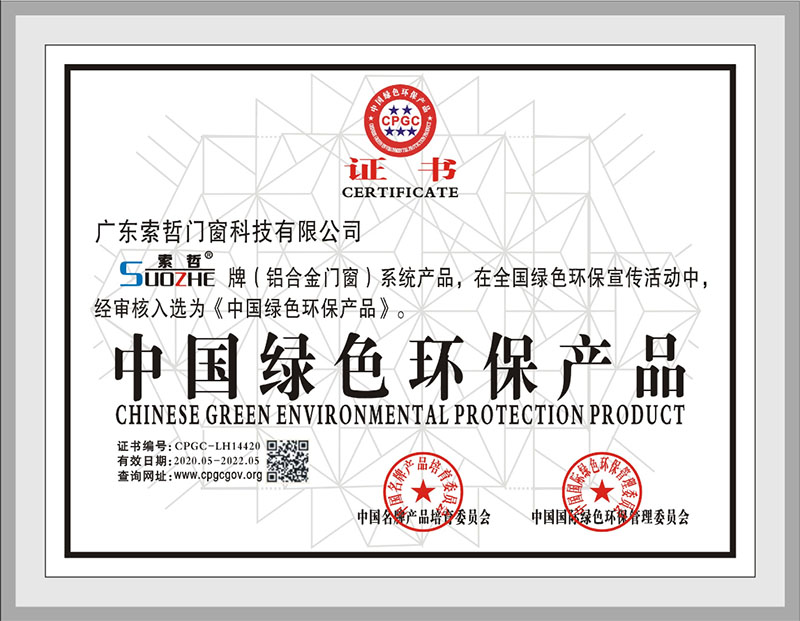
Adhering strictly to high performance, premium quality, and architectural aesthetic appeal to ensure safety, durability, and energy efficiency.
Adhering to the development philosophy of "personalized design, innovative product development, scaled manufacturing, and globalized operations", Suozhe Windows & Doors employs the "Environment + Science + Human Habitat" framework as its foundational logic.
Committed to the "Three-High Standards" (high performance, premium quality, and aesthetic appeal), the brand strives to create healthy, comfortable, energy-efficient, and eco-friendly living environments for consumers. Through precise configuration design, premium component selection, and structural safety modeling, our glass wall systems maintain integrity against extreme climate factors.
Modern commercial architecture demands high-performance building envelopes that transcend basic aesthetics. Structural glass walls are now designed to serve as dynamic filters between external climates and internal spaces. In regions like North America, the European Union, and the Middle East, structural glazing and unitized curtain wall installations are dictated by strict performance parameters covering thermal insulation, solar gain mitigation, and seismic displacement resilience.
Building codes globally have raised the bar for thermal transmittance. Project specifiers target strict U-values (thermal transmittance) and Solar Heat Gain Coefficients (SHGC). Developers now demand curtain walls that integrate low-emissivity (low-E) coatings, multi-layered insulating glass units (IGUs) filled with argon gas, and structural thermal breaks (such as glass-reinforced polyamide strips) to minimize energy transfer, directly contributing to LEED and BREEAM certifications.
Chinese glass wall factories and manufacturers have secured a leading position globally through continuous R&D and supply chain integration. The core advantage is driven by highly automated production lines, such as Suozhe's Industry 4.0 intelligent production facility. This advanced automation minimizes human error during critical steps like structural silicone sealant application, aluminum profile extrusion milling, and multi-pane IGU assembly.
By leveraging localized material supply chains, Chinese manufacturers can source premium-grade raw materials—including primary high-purity aluminum alloys (e.g., 6063-T6 or 6060-T66) and low-iron float glass—at highly optimized costs. The scale of manufacturing allows factories to execute rigorous structural testing protocols in-house. These tests include wind load resistance (ASTM E330), air infiltration testing (ASTM E283), and dynamic water penetration testing (ASTM E331) to verify performance before dispatch.
| System Type / Series | Typical Application | Wind Load Resistance | U-Value Performance | Acoustic Rating (Rw) |
|---|---|---|---|---|
| Bolan 85 Series | Insulation System Windows & Commercial Enclosures | Up to 5.0 kPa (ASTM E330) | 1.2 - 1.6 W/m²·K | 42 - 45 dB |
| Weixi 65 Series | Medium-Rise Storefronts & Ribbon Glazing | Up to 4.2 kPa (ASTM E330) | 1.5 - 1.8 W/m²·K | 38 - 42 dB |
| Guangying 138/206 Series | Panoramic Sliding Systems & Wide-Span Entrances | Up to 4.5 kPa (ASTM E330) | 1.4 - 1.7 W/m²·K | 39 - 43 dB |
| Bolin 192 Series | High-Load Structural Sliding Enclosures | Up to 5.2 kPa (ASTM E330) | 1.1 - 1.5 W/m²·K | 40 - 46 dB |
Different regions demand specific engineering configurations to guarantee safety, energy efficiency, and functional integrity over decades. Glass wall systems must be tailored to address the unique challenges of their target installation environments:
The architectural glass industry is undergoing rapid technical evolution. One of the most significant shifts is the transition from passive building skins to active energy-generating facades through Building-Integrated Photovoltaics (BIPV). BIPV modules replace conventional glazing panels with solar harvesting glass, turning large commercial facades into localized clean power plants.
Additionally, Electrochromic Smart Glass (dynamic glazing) is increasingly integrated into high-end projects. This technology changes tint levels in response to electrical voltage, dynamically controlling glare and solar heat gain based on external sunlight intensity. These intelligent systems integrate with Building Management Systems (BMS) to optimize internal ambient conditions, reducing commercial building operating expenses by up to 20%.
Procurement teams sourcing architectural glass facades internationally must implement robust quality gate controls. To manage shipping risks and lead time variations, buyers should evaluate factories based on their operational certifications and standards compliance:
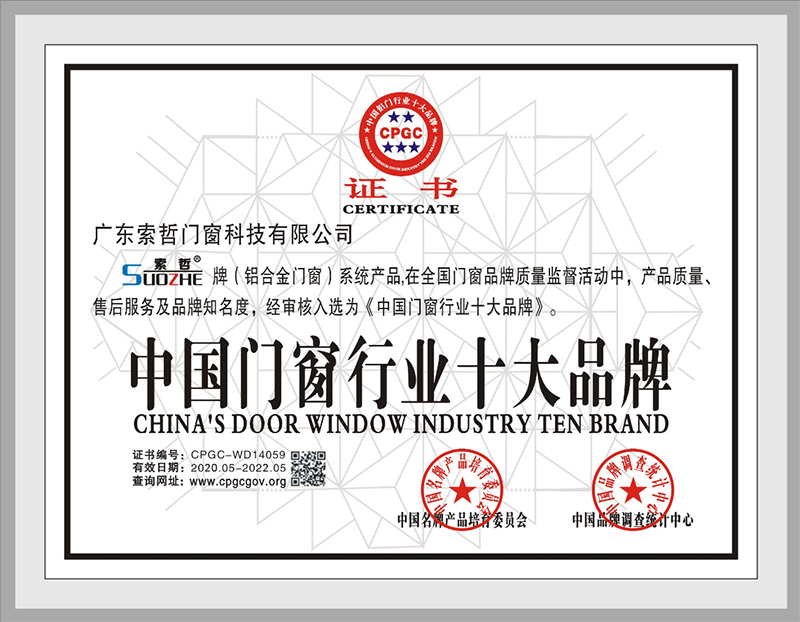
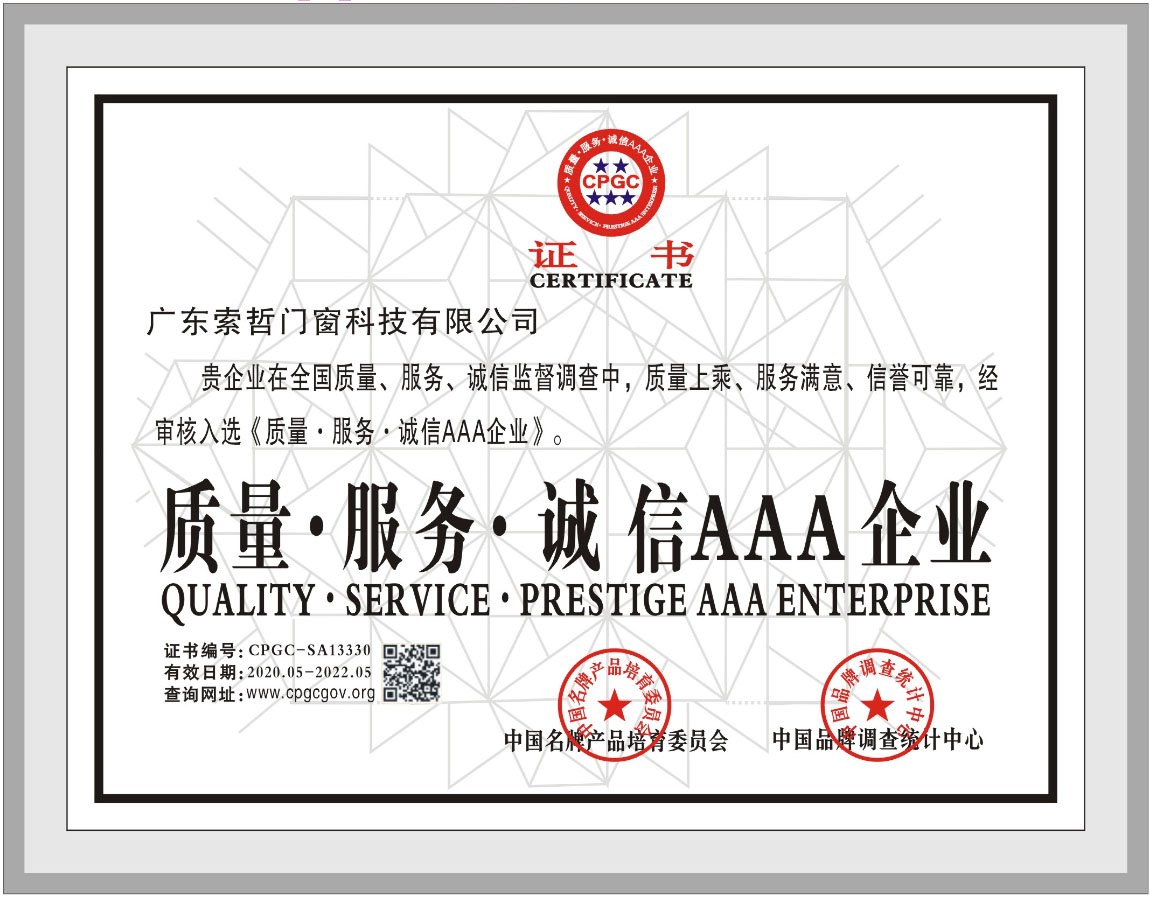
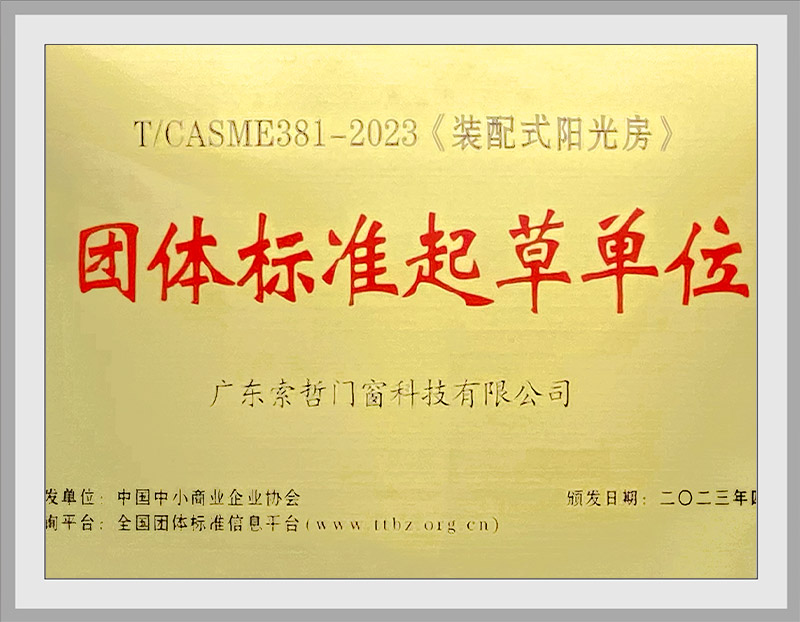
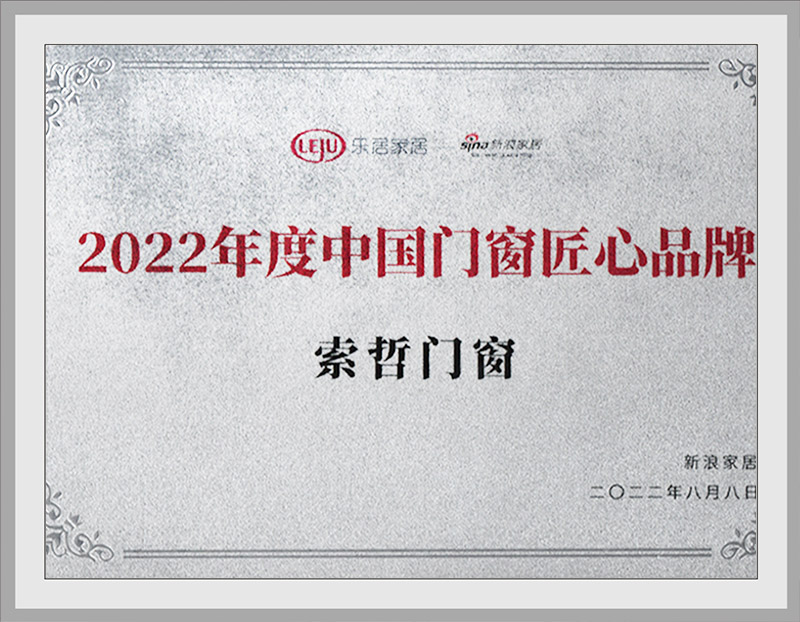
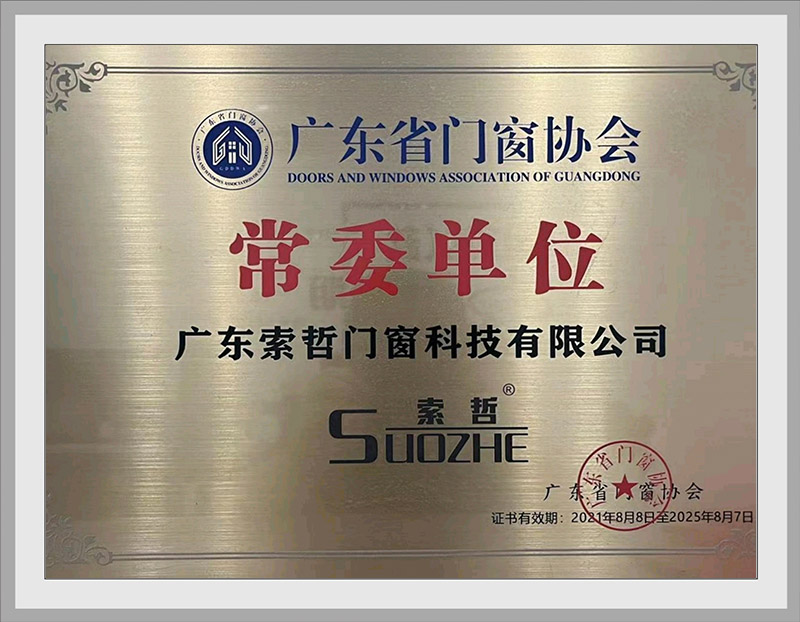
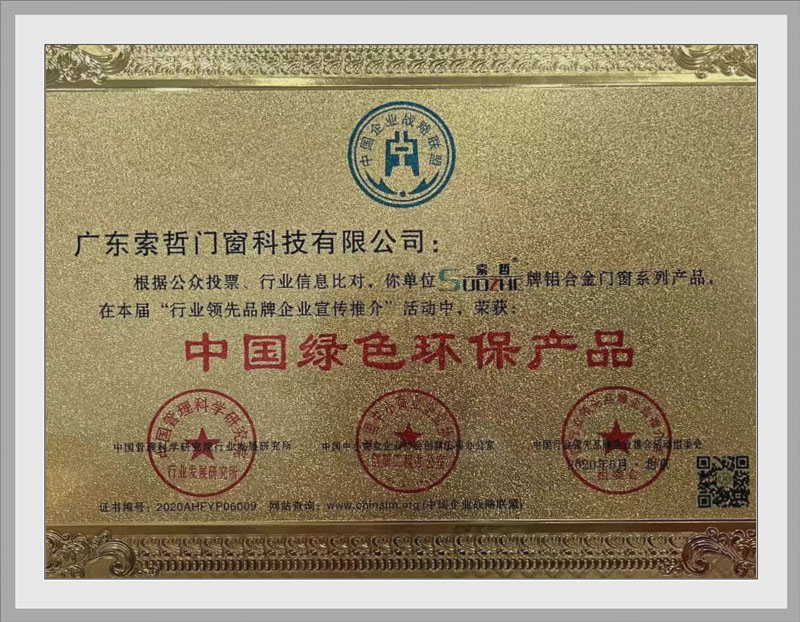
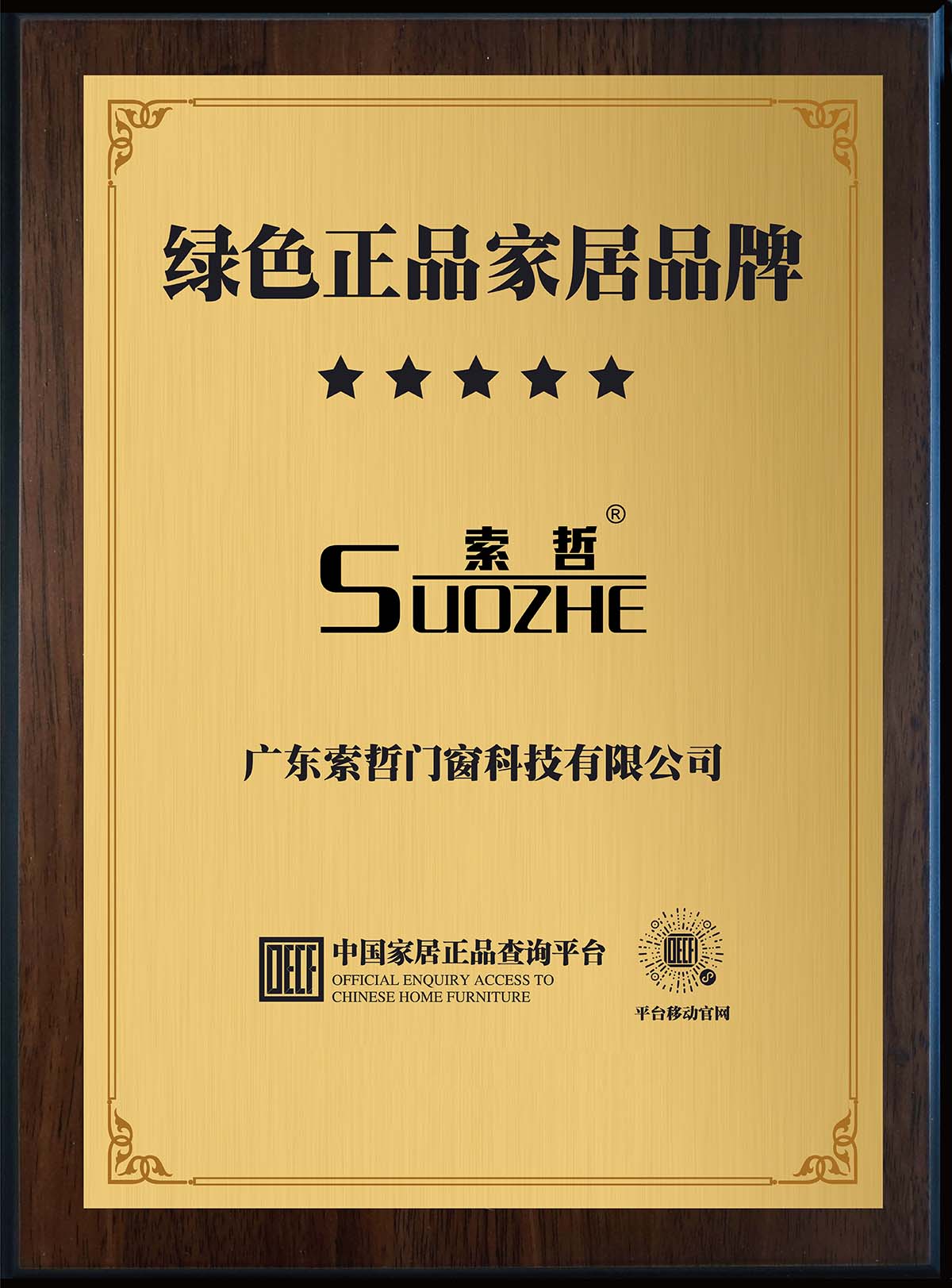
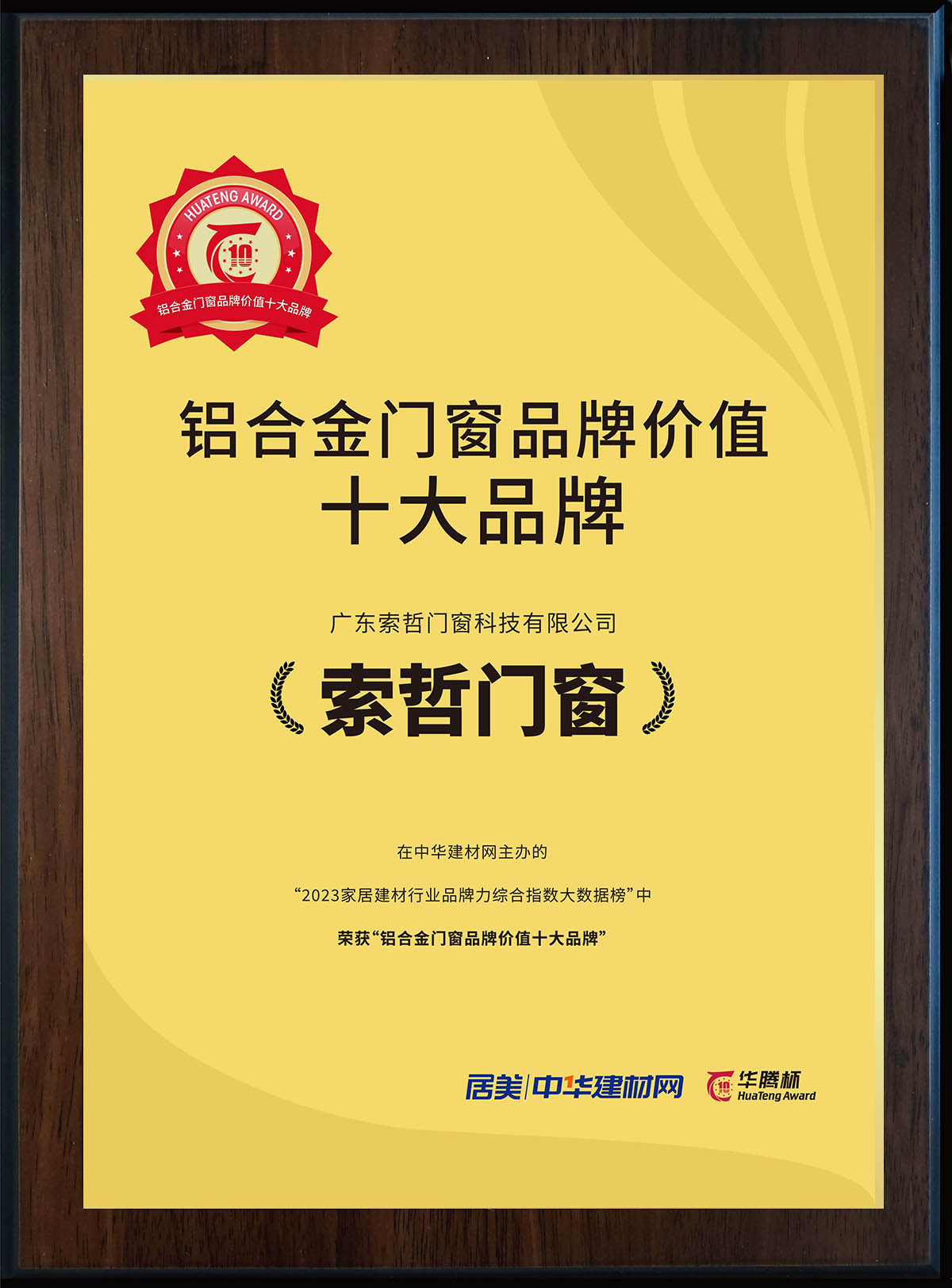
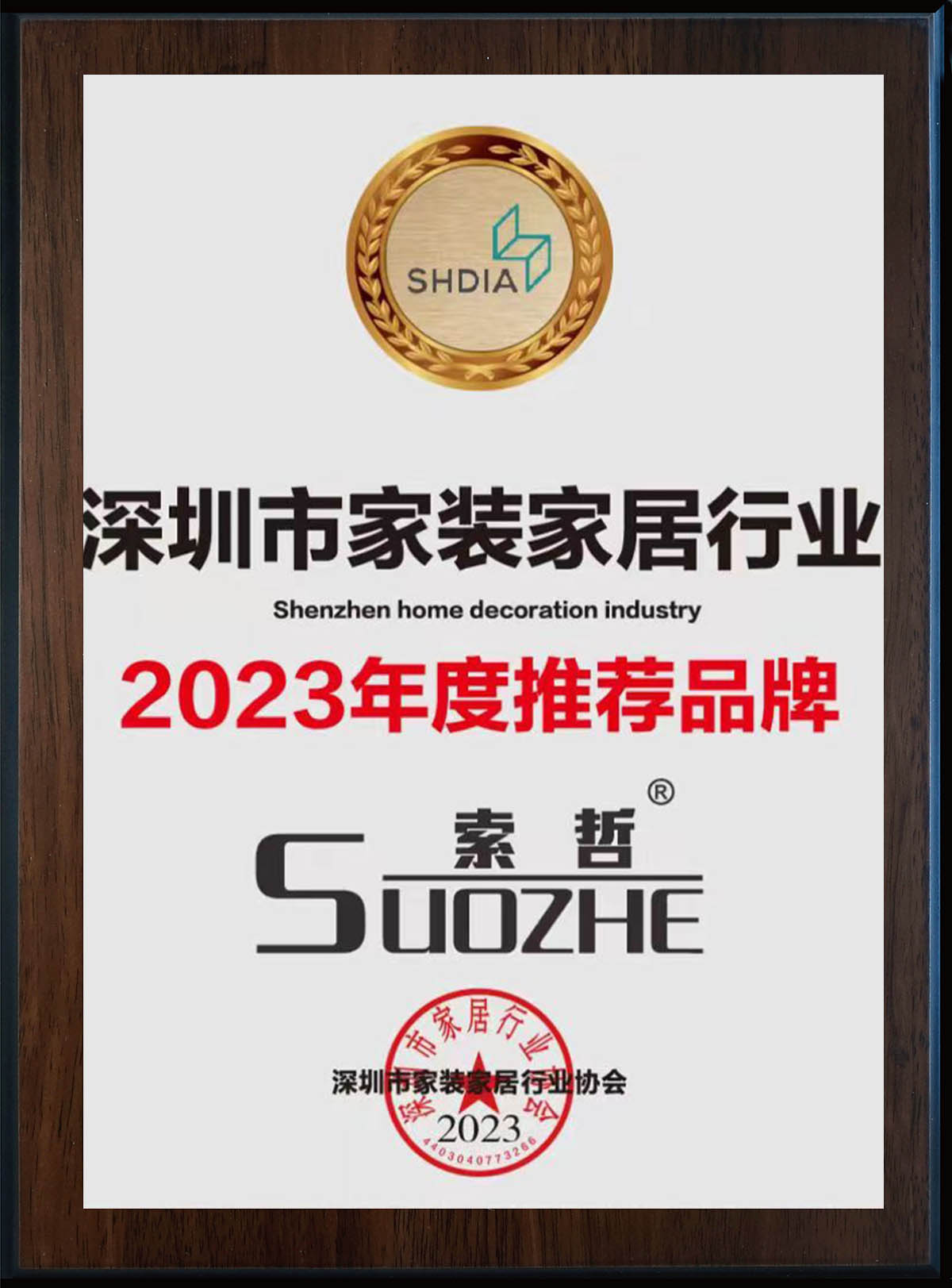
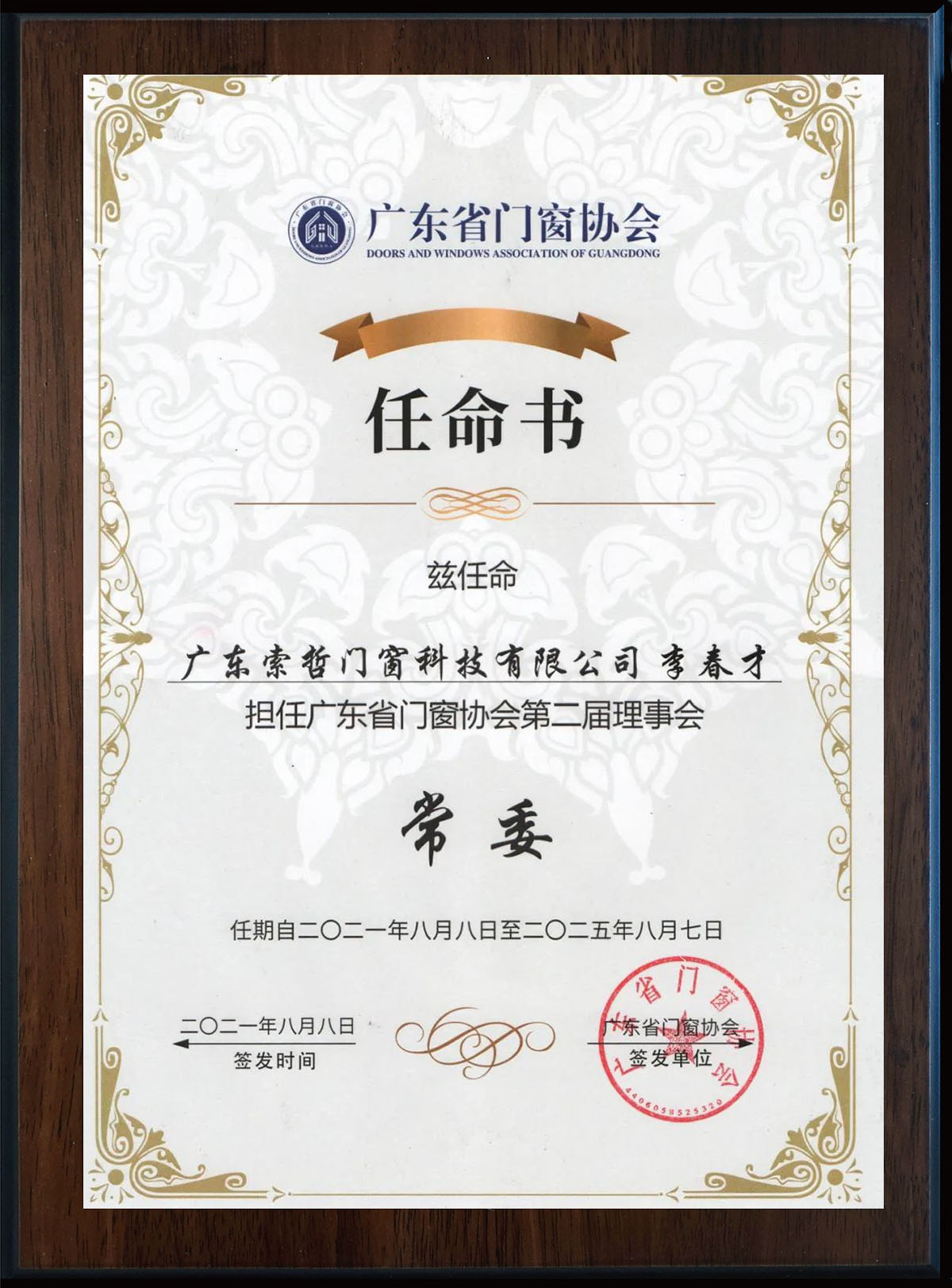
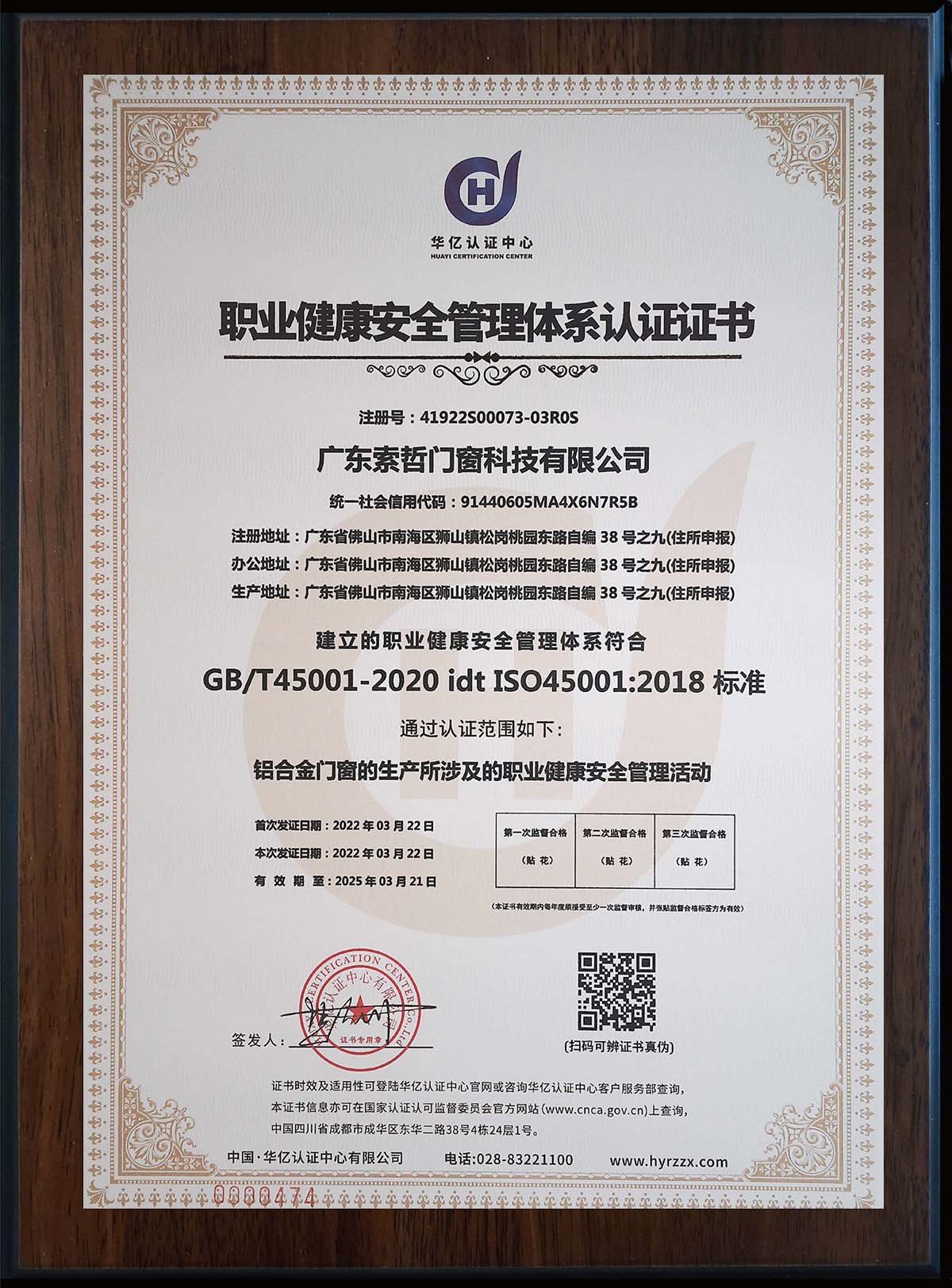
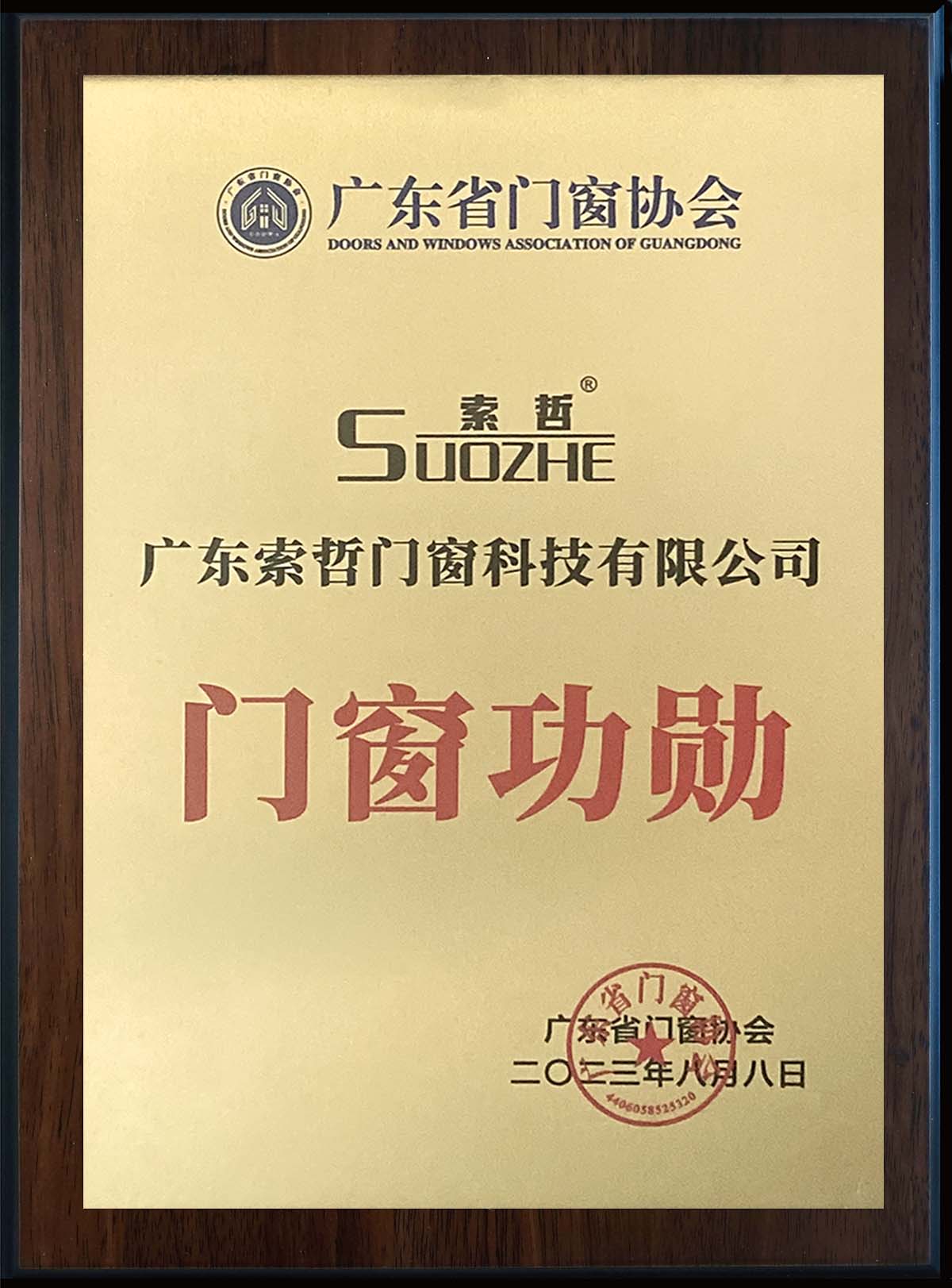
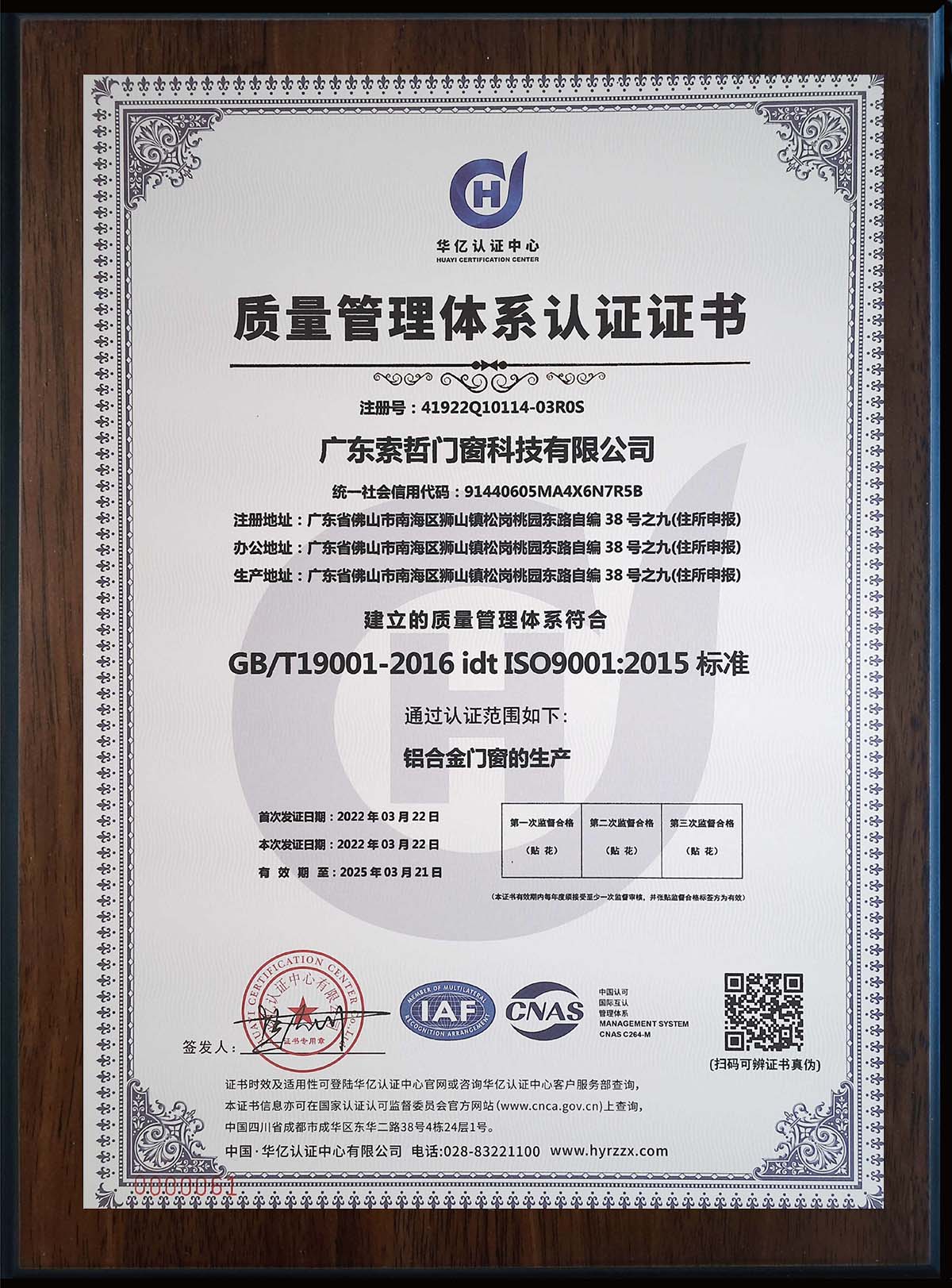
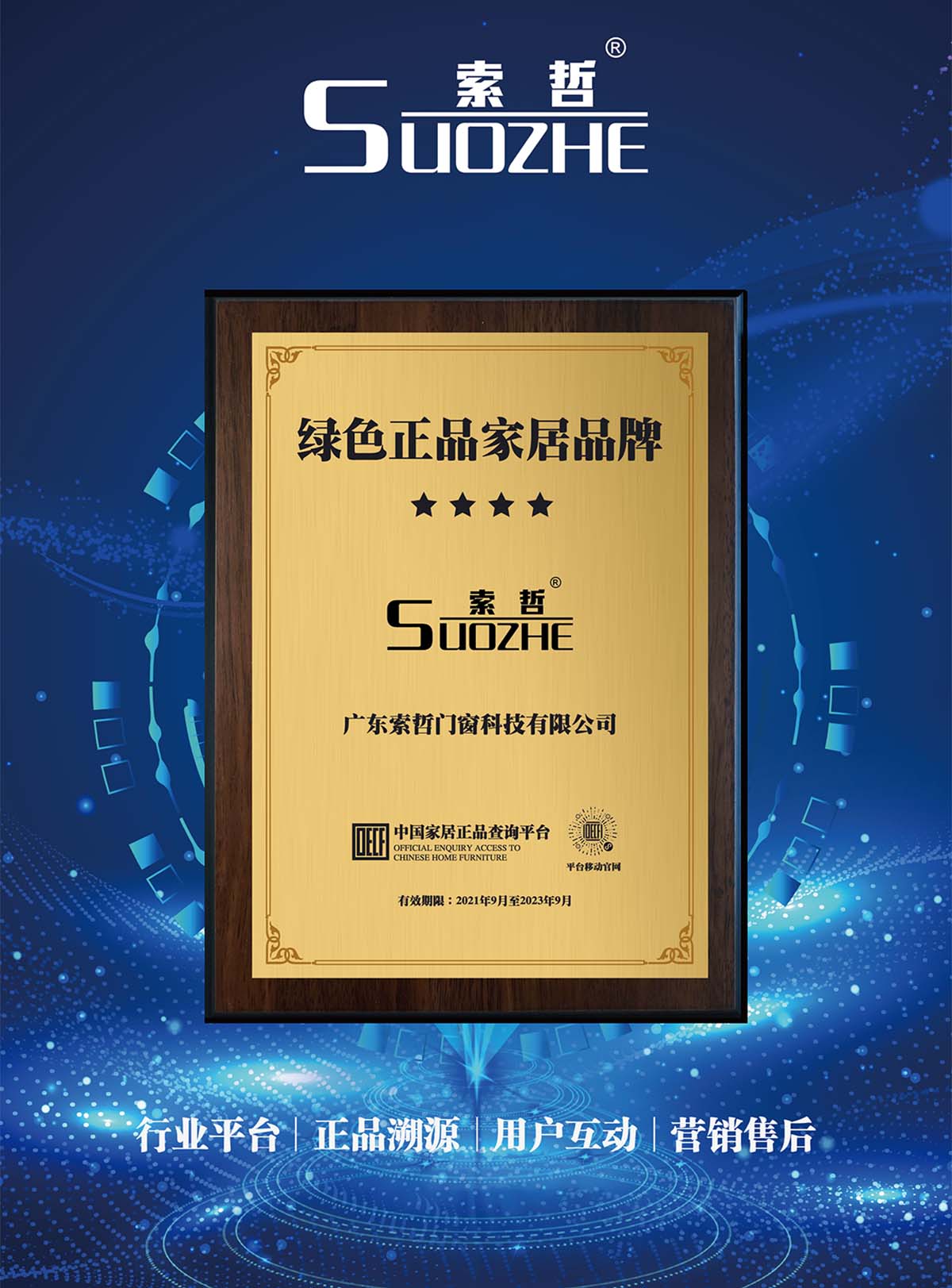
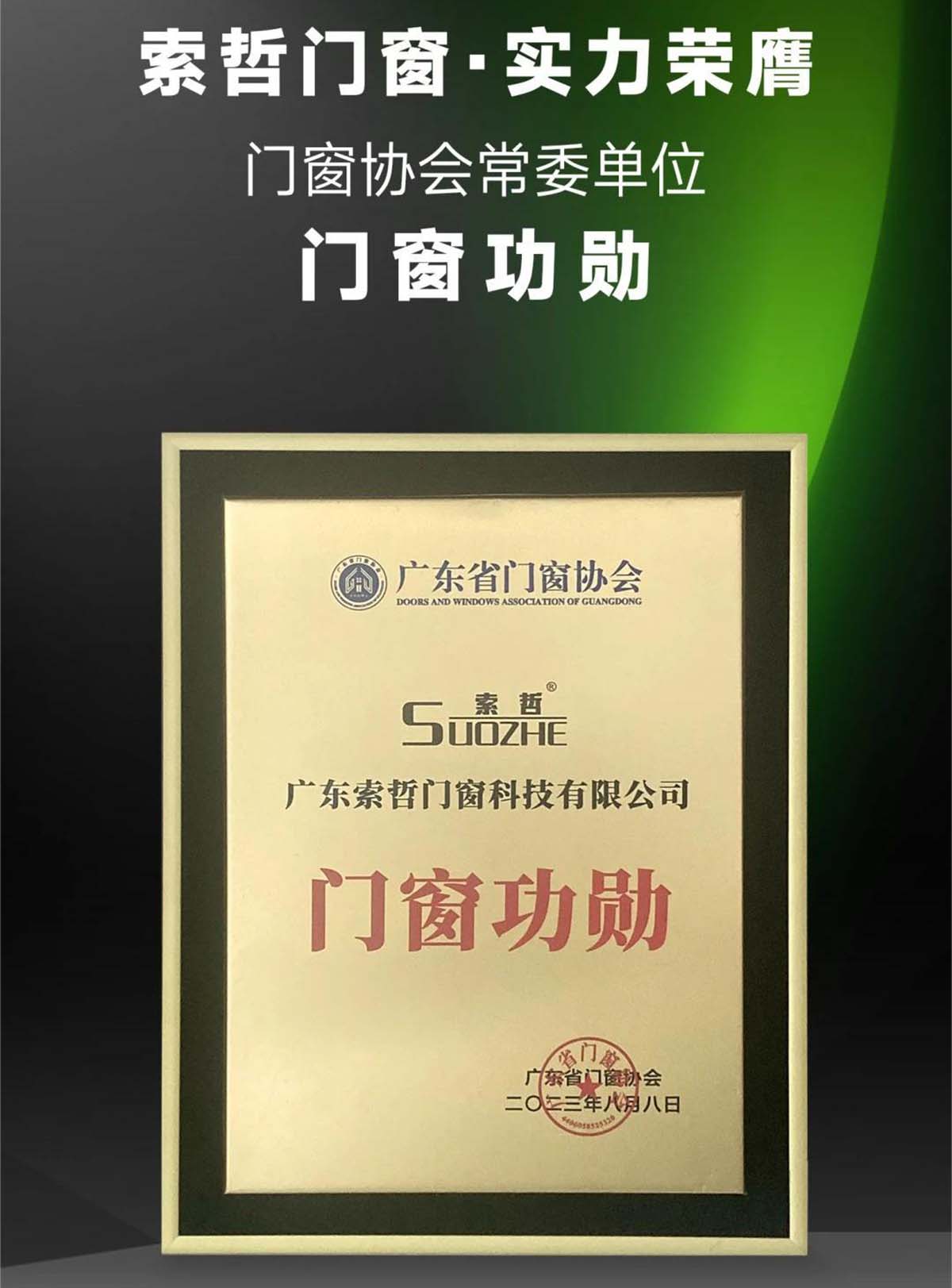
As a participating editor of the Prefabricated Sunroom Standards and a Standing Committee Member of the Guangdong Doors & Windows Association, Suozhe has obtained QES (ISO 9001/ISO 14001/ISO 45001) triple management system certifications, demonstrating its commitment to standardized production and sustainable operations.
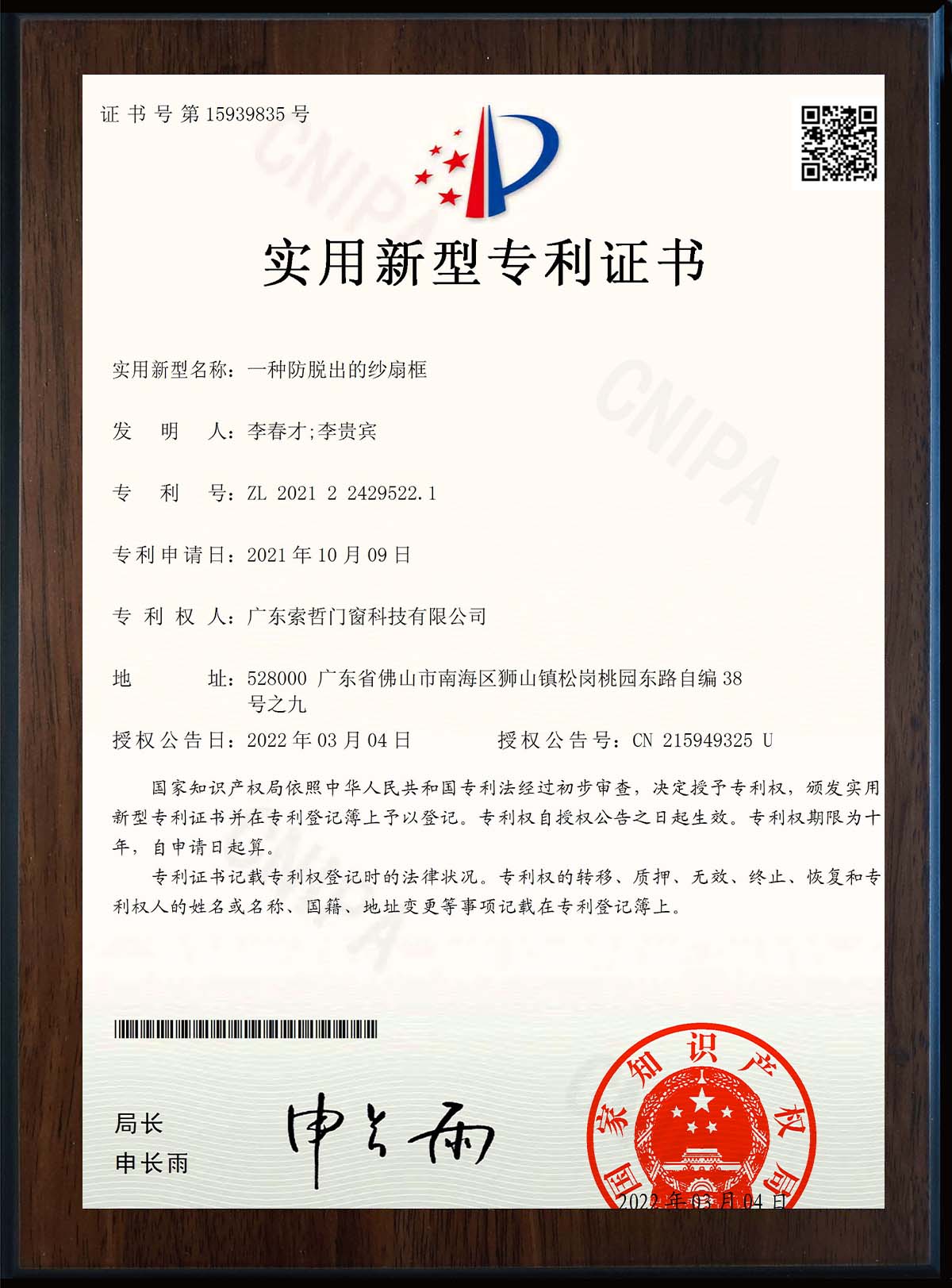
With over 200 national patent applications, the brand leads technological innovation in the industry, particularly in seamless welding and high-performance system window solutions. Rooted in quality craftsmanship and backed by professional expertise, Suozhe operates from a high-standard foundation, integrating front-end and back-end systematic management. The brand achieves seamless coordination across systematic R&D, premium configuration design, high-end customization, precision manufacturing, and turnkey installation.
By offering one-stop spatial aesthetic solutions for system doors and windows, Suozhe is dedicated to enhancing the quality of life for discerning customers while contributing to the advancement of China’s system doors and windows industry.

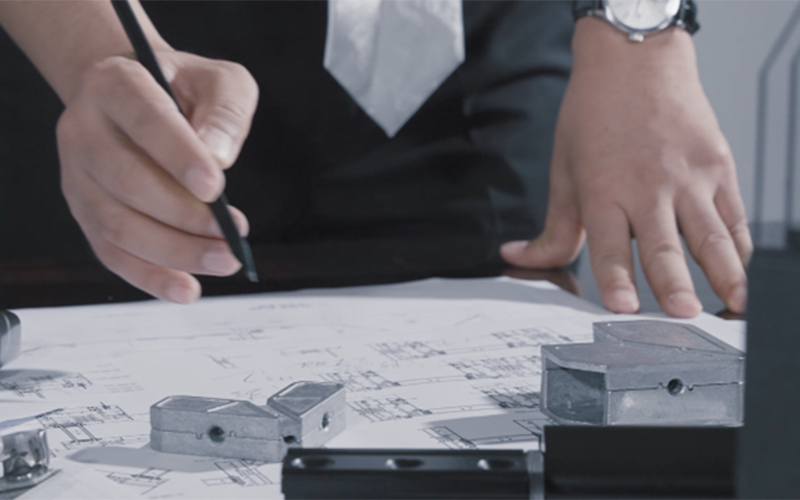
Every architectural element starts with custom engineering, matching raw materials to the thermal and load challenges of the building's location. The production base includes automated testing laboratories to verify dimensional and stress-load tolerances before final system packaging.
By coordinating R&D with CNC processing systems, we ensure precise tolerances during system assembly. This seamless workflow supports architectural customization at scale while ensuring reliable performance for structural projects.
 Suozhe Windows