 Suozhe Windows
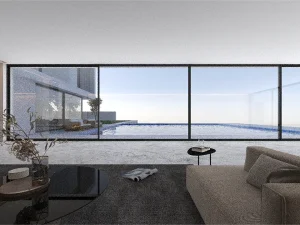
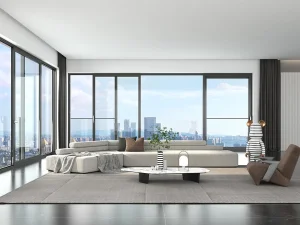
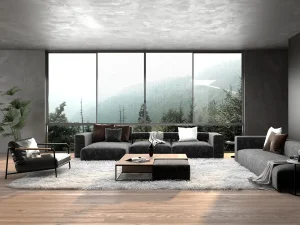
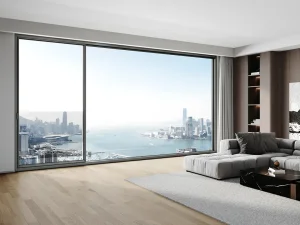
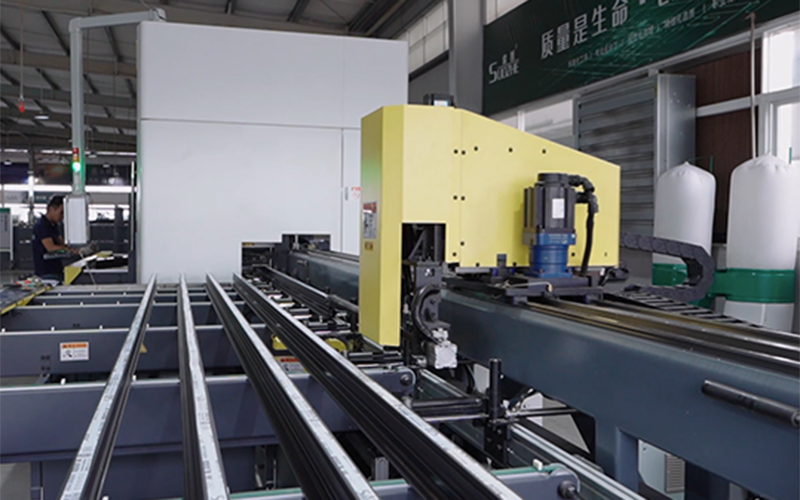
Integrated Window & Screen Architectural Design & Materials
An in-depth structural analysis of dual-cavity co-extrusion and high-tensile security integration.
In modern architectural building envelopes, the integration of window fenestration with insect and security screen systems represents a major leap in spatial design and mechanical engineering. Historically, window assemblies and insect screens were treated as distinct, disjointed elements. This classic approach caused thermal bridge gaps, compromised water drainage, disrupted visual lines, and created weak points in structural home defense. Modern integrated systems overcome these limitations by using single-extrusion thermal-break multi-cavity aluminum frames that house both the high-performance glazing units and heavy-duty protective screening components within a single structural profile.
1. Technical Anatomy of Aluminum Sub-frames and Screen Integration
The core structural design of high-end integrated systems—exemplified by products like the Xingchen 135 Series Compression Door and the Hailun 155 Series Sliding Window—is based on high-tensile architectural aluminum alloys, primarily 6063-T5 or 6063-T6. These profiles are extruded with internal structural cavities designed to hold insulating polyamide struts (such as PA66-GF25 reinforced with 25% glass fiber). These thermal barriers separate the exterior aluminum profiles from the interior ones, drastically reducing heat transfer.
In integrated window and screen systems, the profile design is split into three main channels: the outer channel holds the sliding or fly-screen sash, the middle channel contains the thermal insulation barrier and active multi-point locking receivers, and the inner channel holds the primary double or triple insulated glazing unit (IGU). By keeping these functions within one frame, the window maintains high structural stiffness against strong winds while ensuring a clean look with minimal sightlines.
Structural Performance optimization
Reinforced frame profiles resist structural bending under wind loads exceeding 5.0 kPa, which is ideal for coastal buildings and high-rise developments.
Integrated Safety & Fall Protection
Heavy-duty marine-grade 304 or 316 stainless steel woven mesh acts as both a secure barrier against falls and home intrusions, and a reliable insect screen.
Exceptional Thermal Insulation
PA66-GF25 thermal barrier strips lower the overall window U-value down to 1.2 W/(m²·K), meeting demanding green building codes worldwide.
Acoustic Attenuation Barriers
Integrated acoustic seals and multi-layered glazing reduce outdoor noise by up to 45 dB, keeping interior spaces quiet and peaceful.
2. Screen Mesh Metallurgy: Balancing Airflow, Light, and Security
The choice of screen mesh material dictates the system's longevity, security, and visual clarity. Premium manufacturers use three primary categories of screen mesh:
- Marine-Grade 316 Stainless Steel Mesh: Typically coated with anti-corrosive black powder, this mesh features a wire diameter of 0.8mm to 1.0mm. It provides high physical protection against intruders and impact, and is highly resistant to saltwater corrosion in coastal zones.
- High-Definition (HD) Fiberglass Mesh: Designed to optimize view and airflow, this thin-wire mesh is almost invisible from a distance. It blocks tiny insects while maximizing natural ventilation.
- Nano-Filtration Membranes: Emerging technology incorporates electrospun membranes capable of blocking micro-particles and PM2.5 pollutants while allowing clean air molecules to pass through.