Top 10 Luxury Home Doors for Global Buyers?

Time:2026-10-07 Author:Charlotte
0%

Luxury Home Doors are no longer simple entry points. They combine security, thermal performance, craftsmanship, and architectural identity. For global buyers, the right door must also suit climate, maintenance expectations, and local building standards.

The International Energy Agency reports that buildings consume roughly 30% of global final energy. This makes insulation, weather sealing, and responsible materials important selection criteria. The 2023 UNEP Global Status Report for Buildings and Construction also highlights the sector’s environmental impact. A dramatic door is valuable, but poor performance can create daily discomfort and unnecessary energy use.

“The front door is the handshake of the house,” says architect and residential design expert Sarah Susanka. Her observation explains why proportions, texture, hardware, and arrival experience matter. This guide examines ten Luxury Home Doors, from sculptural pivot systems to hand-finished timber and reinforced glass designs. Each option is considered through appearance, durability, security, energy performance, and customization.

No ranking is completely objective. It depends on the property.

A coastal villa may need corrosion-resistant hardware and stable engineered timber. A mountain residence may require deeper seals and stronger thermal insulation. An urban penthouse may prioritize access control and sound reduction. Industry guidance from the U.S. Department of Energy and performance standards from ASTM International provide useful reference points, but installation quality still changes the result. That detail is often underestimated.

Some expensive doors disappoint. Beautifully.

This selection aims to help architects, developers, and private buyers compare luxury responsibly, with evidence beyond showroom photography.
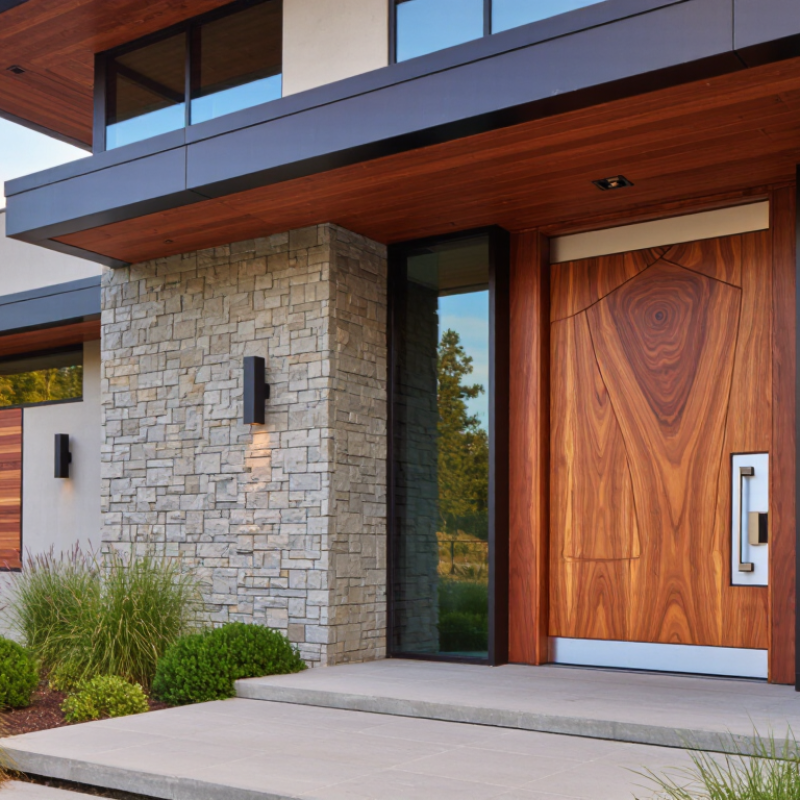
Top 10 Luxury Home Doors for Global Buyers?

Defining Luxury Home Doors for International Buyers

Luxury home doors mean more than impressive scale or expensive materials. For international buyers, luxury begins with dependable performance across climates, cultures, and building standards. The U.S. Department of Energy reports that windows and doors can account for 25–30% of residential heating and cooling energy use. Therefore, thermal breaks, insulated cores, low-emissivity glazing, and accurate weather seals deserve attention. A beautiful entrance that admits heat, dust, or street noise is not truly luxurious.

Global buyers also expect confidence after installation. The UBS Global Wealth Report 2024 identifies approximately 58 million USD millionaires worldwide, showing the scale of a highly mobile luxury market. These clients often compare more than appearance. They examine corrosion resistance near coastlines, drainage design in wet regions, hinge durability, access control, and replacement support. Clear documentation matters. So does local technical service.

The strongest door specifications balance architectural expression with measurable evidence. Independent air, water, wind, thermal, acoustic, and cycle testing can reveal weaknesses before purchase. International standards, such as ISO 10077 for thermal performance, provide useful comparison points, although local codes still require review. Details become physical: a quiet latch, a solid threshold, a handle that feels stable in winter gloves. Small things matter.

Yet luxury is not always maximal. Oversized doors may strain hardware or reduce usability for older residents. I would also question decorative metalwork without a maintenance plan. Refinement sometimes means restraint, careful engineering, and honest performance data.

The Top 10 Luxury Door Styles and Their Signature Features

Top 10 Luxury Home Doors for Global Buyers?

The Top 10 Luxury Door Styles and Their Signature Features

Luxury doors now balance visual drama with measurable performance. The pivot door creates a gallery-like entrance with a wide, quiet swing. Double doors suit grand façades and improve furniture access. The arched door softens stone exteriors with a handcrafted silhouette. Paneled timber doors add depth through raised rails and visible grain. Flush doors deliver a restrained, modern surface with almost no visual noise.

Steel-and-glass doors bring slim profiles and daylight. Frameless glass doors extend views and suit coastal or minimalist homes. Sliding doors save space while opening broad connections to terraces. Carved doors provide tactile detail, though poor carving can collect water. Solid-core doors offer weight, acoustic privacy, and a reassuring closing sound. Small details matter. Deep thresholds, adjustable hinges, and continuous weather seals often separate luxury from decoration.

The U.S. Energy Information Administration reports that heating and cooling consume roughly half of residential energy use. A well-fitted door cannot solve everything, but thermal breaks and low-conductivity cores can reduce unwanted heat transfer. The Global Wellness Institute valued wellness real estate at about 438 billion dollars in 2023. That growth supports quieter entries, natural timber, filtered daylight, and calmer transitions. In practice, I have seen elegant doors fail because their hardware feels too heavy or their seals compress unevenly. Luxury selection still requires testing samples, checking local climate exposure, and questioning the first attractive option.

Materials, Craftsmanship, Security, and Smart Door Technologies

Top 10 Luxury Home Doors for Global Buyers?

Luxury entrance doors now combine expressive materials, skilled craftsmanship, dependable security, and responsive smart technology. During property inspections, I look closely at grain direction, edge alignment, hinge movement, and the feel of the closing mechanism. A beautiful door should not merely impress visitors. It should perform quietly for years.

Solid timber offers warmth, but it needs careful sealing in humid or coastal climates. Bronze, steel, and aluminum provide different textures and stronger resistance to weather. Stone or glass inserts can create drama, yet they may increase weight and maintenance. Craftsmanship shows in tight joints, balanced proportions, concealed fixings, and finishes that age consistently. It feels substantial. However, even exceptional materials can fail when installation is rushed.

Security is layered. A reinforced frame, multi-point locking system, impact-resistant glazing, and well-designed hinges work together. Smart locks can support temporary access, activity alerts, and remote monitoring, but convenience should not replace mechanical protection. Buyers should request independent test documentation, installation records, and clear maintenance guidance. Local building requirements also matter, especially for fire performance and emergency access. I once favored the most advanced connected system, but later found that complicated interfaces discouraged daily use. Simpler controls may serve a household better. A discreet sensor, warm entry lighting, and a reliable manual override often provide more confidence than excessive features. That detail matters.

Top 10 Luxury Home Doors for Global Buyers: Materials, Craftsmanship, Security, and Smart Door Technologies

Rank Luxury Door Type Primary Materials Craftsmanship Details Security Features Smart Door Technologies Typical Size Range Indicative Price Range Best Suited For
1 Handcrafted Solid Hardwood Pivot Door Teak, oak, walnut, or mahogany; laminated core; stainless-steel pivot hardware Book-matched veneers, hand-rubbed oil or lacquer finish, concealed drainage, precision-milled joinery Multi-point locking, reinforced strike plate, laminated safety glass, five-hinge or heavy-duty pivot support Fingerprint or keypad entry, mobile access, temporary guest codes, door-position sensor 1,000–1,600 mm wide × 2,200–3,600 mm high US$8,000–US$35,000+ Grand entrances, villas, and architect-designed residences
2 Bronze-Clad Timber Entry Door Engineered timber core with patinated bronze or brass exterior panels Hand-applied patina, folded metal detailing, flush panel alignment, weather-sealed perimeter Steel-reinforced leaf, concealed multi-point lock, security cylinder, impact-resistant glazing options Electronic strike, biometric reader, video intercom integration, automatic relocking 900–1,500 mm wide × 2,100–3,200 mm high US$12,000–US$45,000+ Contemporary homes in coastal, urban, or high-humidity locations
3 Minimalist Steel and Glass Pivot Door Thermally broken steel or aluminum frame; laminated low-e safety glass Slim sightlines, welded frame construction, powder coating or baked finish, concealed pivot mechanism Laminated or security-rated glazing, multi-point lock, anti-lift hardware, reinforced frame anchoring Smart lock, access logs, remote monitoring, video doorbell, integrated alarm contact 900–1,800 mm wide × 2,100–3,500 mm high US$10,000–US$40,000+ Modern residences prioritizing daylight and clean architectural lines
4 Carved Heritage Timber Door Solid oak, teak, walnut, or reclaimed hardwood; forged iron or bronze fittings Hand-carved panels, mortise-and-tenon construction, custom relief work, traditional wax or oil finish Internal steel reinforcement, deadbolt, concealed security bolts, laminated glass in glazed sections Discreet electronic lock installed behind traditional hardware, smart contact sensor, intercom connection 800–1,400 mm wide × 2,000–3,000 mm high US$7,000–US$30,000+ Historic properties, estate homes, and culturally inspired architecture
5 Natural Stone and Timber Composite Door Engineered timber or steel core with thin stone veneer, marble, granite, or porcelain surface CNC-cut stone patterns, seamless edge detailing, moisture-resistant backing, custom grain matching Steel subframe, multi-point locking, reinforced hinges, safety glazing where required Keypad or fingerprint access, remote lock control, tamper alerts, smart lighting trigger 900–1,500 mm wide × 2,100–3,200 mm high US$15,000–US$50,000+ Statement entrances designed around stone façades and luxury interiors
6 Bronze or Brass Art-Déco Door Solid bronze, architectural brass, stainless-steel reinforcement, fluted or textured glass Hand-finished metalwork, geometric inlays, custom patina, precision-welded frame Multi-point lock, laminated decorative glass, concealed hinges, reinforced threshold Smart cylinder, PIN access, video intercom, automatic night locking 800–1,400 mm wide × 2,000–3,000 mm high US$10,000–US$40,000+ Formal city residences, penthouses, and design-led apartments
7 High-Performance Insulated Timber Door Engineered timber, insulated core, low-e double or triple glazing, durable exterior coating Thermal-break threshold, compression seals, flush construction, factory-controlled finishing Multi-point locking, laminated glazing, anti-drill cylinder, reinforced frame and hinges Connected lock, doorbell camera, occupancy sensor, integration with home automation systems 850–1,300 mm wide × 2,000–2,700 mm high US$5,000–US$20,000+ Cold climates, energy-efficient homes, and sustainable developments
8 Luxury Steel Security Door Galvanized or stainless steel, insulated core, wood veneer, metal, or porcelain finish Precision-formed panels, concealed hinges, powder coating, custom decorative inserts High-security cylinder, multi-point bolts, anti-pry frame, reinforced locking side, optional tested resistance class Fingerprint reader, encrypted keypad, access history, forced-entry notification 800–1,300 mm wide × 2,000–2,700 mm high US$6,000–US$25,000+ Urban properties and residences requiring enhanced physical security
9 Oversized Multi-Panel Glass Entry System Aluminum or steel frame, laminated low-e glass, timber or metal accent panels Large-format fabrication, narrow mullions, flush tracks, concealed drainage and hardware Laminated safety glass, multi-point lock, anti-lift rollers, secure interlocking meeting stiles Motorized opening, smartphone control, facial or PIN access, remote status monitoring 1,800–5,000 mm total width × 2,100–3,200 mm high US$12,000–US$60,000+ Resort-style homes, courtyards, terraces, and indoor-outdoor layouts
10 Custom Flush Door with Integrated Lighting Engineered timber or steel core, natural veneer, metal laminate, glass, and concealed LED components Invisible frame, shadow gaps, continuous grain, concealed closers, bespoke surface detailing Magnetic multi-point lock, concealed hinges, reinforced core, access-controlled entry system Illuminated handle or reveal, biometric access, smart scenes, remote lock and lighting control 800–1,400 mm wide × 2,100–3,200 mm high US$9,000–US$35,000+ Minimalist interiors, private suites, and high-end smart homes

Indicative prices are typical international project ranges in U.S. dollars and may vary according to size, installation, shipping, finish, glazing, local security requirements, and smart-home integration.

Regional Design Preferences and Climate Considerations

Top 10 Luxury Home Doors for Global Buyers?

Regional design preferences matter as much as appearance. In the Gulf, large pivot doors with deep canopies create a dramatic entrance and reduce direct solar exposure. Mediterranean buyers often prefer wide glazed doors, pale timber, and shaded terraces. In Northern Europe, triple-sealed insulated doors suit colder winters and restrained architecture. Tropical homes need corrosion-resistant hardware, raised thresholds, and openings designed for cross-ventilation. Japanese-inspired residences often favor slimmer proportions, textured timber, and controlled daylight.

Climate performance should guide every luxury specification. The International Energy Agency reports that buildings consume about 30% of global final energy. The U.S. Department of Energy also notes that windows can represent 25–30% of residential heating and cooling energy use. Doors are not windows, but they still interrupt the thermal envelope. ASHRAE guidance supports selecting U-values, solar heat gain coefficients, air leakage ratings, and condensation resistance according to climate zones. A beautiful glass door can become an expensive heat source.

My practical preference is simple: specify the frame, seals, threshold, and shading before choosing the finish. Coastal properties may need marine-grade protection, while desert homes benefit from insulated cores and external shade. In humid regions, timber movement deserves serious attention. I have seen oversized doors impress visitors, then frustrate residents with difficult operation. Bigger is not always better. Regional building codes, local installation skills, and realistic maintenance plans should influence the final selection.

How Global Buyers Can Compare, Select, and Maintain Luxury Doors

Luxury doors are not chosen by appearance alone. Global buyers should compare ten shortlisted options through performance, craftsmanship, and service. Start with climate. A glazed entrance in Singapore needs different sealing than one in Stockholm. Check the door’s U-value, air leakage, water resistance, acoustic rating, and security hardware. Request test reports, not polished photographs. Timber needs stable moisture control. Metal needs thermal breaks. Composite materials can reduce maintenance, but their finish may age differently than expected. Small details matter. A 20-millimeter threshold can affect drainage and accessibility.

Selection should match the building, delivery route, and local installer. Measure the opening twice, including wall tolerance and floor height. Confirm swing direction, hinge load, glass specification, and replacement-part availability before payment. Ask who will adjust the door after seasonal movement. That question is often missed. For a reliable purchase, compare written warranties, inspection procedures, and response times across suppliers. An independent architect or certified door professional can review the specification. Their fee is usually cheaper than correcting a warped frame. Still, perfection is unlikely. Even premium doors may need adjustment after installation.

Tips: Keep the maintenance schedule with the property records. Clean seals gently and inspect them every three months. Lubricate approved hardware, but never use an unsuitable solvent. Check water marks after heavy rain. Arrange annual alignment and drainage checks in demanding climates. If a lock feels tight, stop forcing it. Record photos and measurements before service. This evidence can clarify whether the problem came from installation, movement, or daily use.

FAQS

What luxury door style suits a dramatic entrance?

A pivot door creates a wide, gallery-like entrance with a quiet swing. Test the swing. Large pivot doors need strong hinges and careful installation.

Which door style works best for grand façades?

Double doors suit broad façades and make furniture delivery easier. They need balanced leaves, aligned hinges, and reliable weather seals. Uneven closing feels cheap.

How can materials change a door’s character?

Timber adds warmth and visible grain. Steel, bronze, and aluminum offer different textures and weather resistance. Glass or stone inserts create drama but increase weight.

What details show good door craftsmanship?

Look for tight joints, aligned edges, balanced proportions, and concealed fixings. Raised panels should feel even under your hand. Finish quality matters most at corners.

Can a luxury door improve energy performance?

Thermal breaks, insulated cores, and continuous seals can reduce unwanted heat transfer. Specify the frame, threshold, and air leakage performance together. A beautiful door can still waste energy.

How should climate influence door selection?

Humid regions require careful timber sealing and protection against movement. Coastal homes need corrosion-resistant hardware. Desert properties benefit from insulated cores and external shade.

What security features should a high-quality entrance door include?

Use a reinforced frame, multi-point locking, strong hinges, and impact-resistant glazing where appropriate. Smart access can add alerts and temporary entry. Mechanical protection should remain dependable.

Are smart door features always worthwhile?

Not always. Simple controls may suit households better than complicated interfaces. A discreet sensor, warm entry lighting, and manual override can provide greater confidence. Keep controls simple.

How should buyers judge an oversized door?

Check its daily operation, opening force, hinge movement, and threshold height. Oversized doors may impress visitors but frustrate residents. Bigger is not always better.

What should buyers test before choosing a luxury door?

Request material samples, installation records, test documents, and maintenance guidance. Inspect the closing sound and seal compression. My first choice may be wrong. Test the door repeatedly.

Conclusion

Luxury Home Doors are more than grand entrances; they combine visual impact, lasting performance, security, and everyday convenience for international homeowners. This guide defines what makes a door truly luxurious and explores ten distinctive styles, from sculptural pivot designs and traditional carved entries to minimalist glass, arched, paneled, and technologically enhanced options. Each style is considered through its signature details, proportions, finishes, hardware, and ability to complement different architectural settings.

The article also examines the importance of premium materials, precise craftsmanship, weather resistance, advanced locking systems, insulation, and smart door technologies. Because global buyers face varied climates and cultural preferences, it explains how humidity, heat, cold, coastal air, and regional design traditions can influence door selection. Finally, readers will learn how to compare quality, customization, installation requirements, maintenance needs, and long-term value, helping them choose Luxury Home Doors that remain elegant, secure, efficient, and practical for years to come.


Charlotte

Charlotte

Charlotte is a seasoned marketing professional with a deep understanding of the company's portfolio and a passion for elevating its presence in the market. With a keen eye for detail and a commitment to excellence, she ensures that our professional blog is regularly updated with insightful articles......