Top 10 Types of Apartment Windows for Energy Efficiency

Time:2026-10-12 Author:Sienna
0%

Choosing energy-efficient Apartment Windows involves more than comparing frame materials or attractive glass. In real apartments, comfort often depends on small details. A poorly sealed window can create a cold draft beside a sofa. Strong afternoon sun can turn a bedroom into a hot box. The best choice must respond to climate, building age, window orientation, and installation quality.

This guide examines ten common window types, including casement, awning, double-hung, sliding, picture, bay, and tilt-and-turn designs. Each option offers different benefits for insulation, ventilation, daylight, and maintenance. Casement windows usually create a tight seal when closed. Sliding windows may provide convenience but can have more air-leakage points. Fixed picture windows often reduce leakage, although they cannot provide natural ventilation. These differences matter.

Reliable evaluations should include U-factor, solar heat gain coefficient, visible transmittance, and air-leakage ratings. NFRC-certified labels can help compare products using consistent measurements. However, ratings alone do not guarantee performance. Installation gaps, damaged weatherstripping, and weak surrounding walls can reduce efficiency. A premium window may disappoint when fitted carelessly. That is easy to overlook.

No window is perfect.

The following overview balances technical performance with practical apartment concerns, such as limited exterior access, noise, cleaning, and emergency ventilation needs. It also recognizes that budgets vary and building rules may restrict replacements. Some recommendations may change after a professional inspection. That uncertainty deserves attention, because energy savings depend on the whole window system, not glass alone. The goal is a clearer, evidence-informed path toward warmer winters, cooler summers, and lower wasted energy.
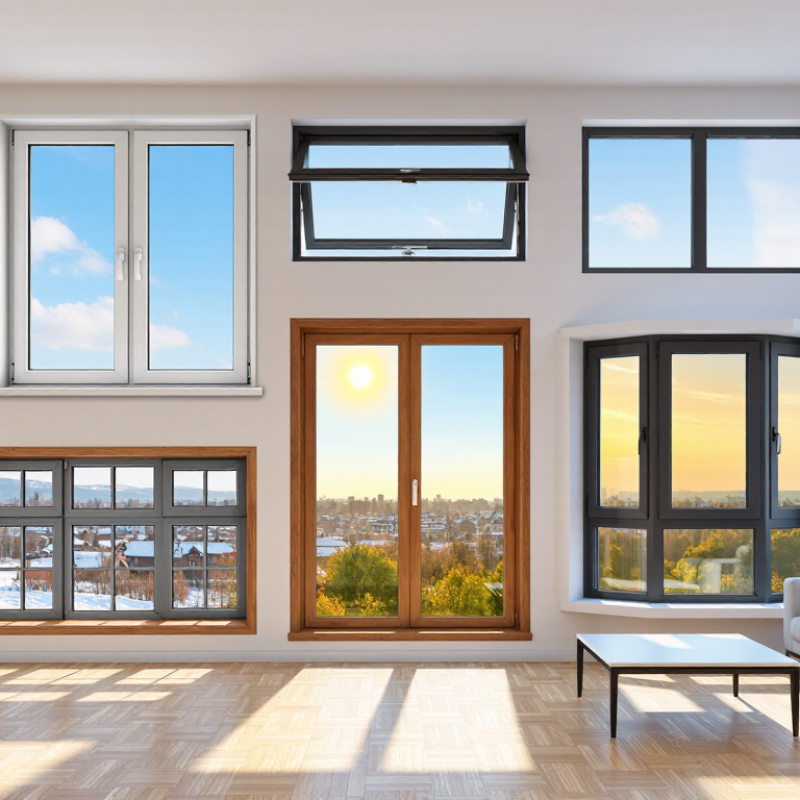
Top 10 Types of Apartment Windows for Energy Efficiency

Energy Efficiency Criteria for Apartment Windows

Energy-efficient apartment windows should be judged by measurable performance, not appearance alone.

The key criteria include U-value, solar heat gain coefficient, air leakage, and visible light transmission. A lower U-value usually means better insulation. However, climate changes the ideal choice. In cold regions, insulated glazing reduces heat loss near the glass. In sunny climates, controlled solar gain can limit afternoon overheating.

Window type also matters. Casement and awning windows often seal tightly when closed. Sliding windows may be convenient, but their overlapping tracks can allow more air movement. Fixed windows usually provide strong insulation because they have no opening hardware.

Double glazing is common, while triple glazing may suit colder buildings. Frame materials should resist warping and create minimal thermal bridging. Warm-edge spacers can reduce cold borders around the glass.

Installation deserves equal attention.

A high-performing window can fail when gaps surround the frame. During an inspection, look for daylight, loose seals, damp corners, or condensation on interior surfaces. These details reveal problems that product labels may miss.

Ask for certified test data and verify compliance with local energy codes. An independent energy assessment adds useful evidence. Still, ratings are not perfect.

Occupant behavior, shading, ventilation, and poor maintenance can change real results. I have seen a well-rated window perform poorly because its seal was damaged. Small defects matter. Regular checks keep efficiency claims closer to daily reality.

Single-Hung and Double-Hung Windows: Ventilation with Improved Insulation

For apartment owners, window choice affects comfort, heating costs, and daily ventilation. Single-hung windows keep the upper sash fixed while the lower sash opens upward. Their simpler design can reduce moving joints and potential air leaks. However, performance depends heavily on frame quality and installation. A tight window is only useful when the surrounding wall is sealed properly. Small gaps matter.

Double-hung windows allow both sashes to move. Opening the lower sash brings in cooler air, while opening the upper sash releases warm indoor air. This creates useful cross-ventilation, especially in kitchens and bedrooms. It also gives residents more control during mild weather. Yet open windows cannot replace insulation. Choose models with a low U-factor, suitable solar heat-gain control, and durable weatherstripping. Look for insulated glass with a reliable edge seal. In older apartments, condensation may indicate indoor humidity, cold glass, or hidden leakage. I have seen residents blame the window when poor installation caused the real problem. That mistake is easy to make. No window is perfect. Safety restrictors may also be necessary on higher floors, especially in homes with children. Regularly check locks, seals, and drainage paths, because neglected details can quietly reduce energy efficiency.

Top 10 Types of Apartment Windows for Energy Efficiency

Single-hung and double-hung windows provide practical ventilation, while lower U-factor values indicate improved insulation.

Representative U-factor benchmarks for similarly glazed residential window units. Lower values indicate less heat transfer and better insulating performance. Actual results vary with glazing, frame material, installation quality, and climate.

Casement and Awning Windows: Tight Seals for Reduced Heat Loss

Top 10 Types of Apartment Windows for Energy Efficiency

Casement and awning windows use compression seals around the sash. When locked, the sash presses tightly against the frame. This design can reduce unwanted air movement more effectively than many sliding windows. The U.S. Department of Energy estimates that windows account for 25% to 30% of residential heating and cooling energy use. Small leaks can therefore create noticeable drafts near beds, desks, and kitchen seating.

The opening direction also matters. Casement windows open outward, while awning windows hinge from the top. Both can capture breezes without leaving a large lower opening exposed to rain. During an apartment inspection, technicians should check gasket continuity, corner compression, and lock alignment. A perfect window performs poorly when installation gaps remain around the frame. That detail is often missed.

Energy performance still depends on climate. ENERGY STAR guidance recommends comparing whole-window U-factor and solar heat gain coefficient, not glass alone. Lower U-factor generally means less heat transfer. The National Fenestration Rating Council explains that certified ratings help compare tested products consistently. However, numbers need context. A very low solar heat gain coefficient may reduce summer heat but limit useful winter sunlight. I would question any claim promising identical savings in every apartment. Orientation, shading, ventilation, and occupant habits can change the result. The seal matters, but it is not magic.

Sliding, Picture, and Bay Windows: Balancing Glass Area and Performance

Top 10 Types of Apartment Windows for Energy Efficiency

Apartment windows must balance daylight, ventilation, and heat control. Sliding windows suit narrow rooms and open easily along a track. However, their overlapping sashes can allow more air leakage than hinged designs. Picture windows provide excellent insulation because they have no moving parts. They also create large glass areas for daylight and city views. The trade-off is obvious. They cannot provide natural ventilation.

Bay windows add depth, seating space, and generous daylight. Their multiple angles may increase heat gain if exposed to strong afternoon sun. Low-emissivity glazing, warm-edge spacers, and insulated frames can reduce this effect.

Casement, awning, single-hung, double-hung, hopper, tilt-and-turn, and clerestory windows offer other useful choices. Each design changes the balance between glass area, airflow, and frame performance.

A larger window is not automatically more efficient. Measure the glass-to-frame ratio, U-factor, solar heat gain coefficient, and air-leakage rating. In a south-facing apartment, exterior shading may matter more than adding another glass panel. In a cold climate, tight seals and insulated frames deserve priority. I have found that a well-installed smaller window can outperform a larger, poorly sealed unit. That result can feel counterintuitive. Residents should also check condensation on winter mornings. It may signal high indoor humidity, a cold frame, or an installation problem. Energy performance depends on the window and the wall around it.

Tilt-and-Turn and Skylight Windows: Specialized Options for Apartment Design

Tilt-and-turn windows are practical specialized options for energy-efficient apartments. Their sash opens inward from the side or tilts inward from the top. This dual action supports controlled ventilation without leaving the opening fully exposed. On a cool evening, a narrow tilt can release cooking moisture while limiting drafts. That matters in compact kitchens and bedrooms. For stronger results, specify insulated frames, low-emissivity glazing, and effective compression seals. A low U-value reduces heat transfer, while suitable solar-control glass limits summer gains. Window performance still depends on installation. Gaps around the frame can undermine excellent glazing.

Skylights bring daylight into upper-floor apartments, bathrooms, and deep-plan rooms. They can reduce daytime lighting demand, but their energy behavior is less forgiving. A roof window receives more direct sun than a vertical window. Orientation, glazing choice, and external shading should be assessed together. In warm climates, an operable skylight may release rising hot air. However, rain sensors, insect screens, and secure locking deserve attention. Waterproof flashing is equally important. A beautiful skylight becomes a liability when condensation stains the ceiling.

Apartment projects also require coordination with structural limits, fire rules, acoustic targets, and property approvals. Measure the opening before selecting a replacement. For tilt-and-turn units, check handle clearance, radiator placement, and safe cleaning access. For skylights, inspect the roof build-up and insulation continuity around the shaft. These details are easy to overlook. I have seen energy upgrades underperform because installers focused on glass and ignored perimeter sealing. Post-installation checks, including smoke-pencil or infrared inspections, can reveal unwanted air leakage. A modest, well-shaded opening may outperform a larger unprotected one.

Top 10 Types of Apartment Windows for Energy Efficiency - Tilt-and-Turn and Skylight Windows: Specialized Options for Apartment Design

No. Window Type Typical U-Factor Range
(Btu/h·ft²·°F)
Typical SHGC Range Energy-Efficiency Advantages Ventilation & Daylight Best Apartment Applications Key Considerations
1 Fixed Picture Window 0.20–0.35 0.25–0.60 Usually provides the lowest air leakage because it has no operable sash. Large glazing areas can admit useful winter solar heat when correctly oriented. Excellent daylight; no natural ventilation. Living rooms, corner apartments, and façades with attractive views. Must be combined with operable windows or mechanical ventilation. Solar-control glass may be needed on sunny façades.
2 Casement Window 0.25–0.40 0.25–0.55 Compression seals around the sash generally provide good airtightness. The opening directs breezes into the room. Very good ventilation and daylight. Bedrooms, kitchens, and façades where cross-ventilation is important. Projects outward and may conflict with balconies, walkways, or neighboring windows.
3 Tilt-and-Turn Window 0.25–0.40 0.25–0.55 A multi-point locking system and compression gasket can limit infiltration. The tilt position supports controlled ventilation with a smaller opening. Excellent daylight; adjustable ventilation for many weather conditions. Apartments requiring security, quiet operation, and flexible ventilation. Hardware and installation are more complex than for basic sliding windows; clear interior operating space is required.
4 Awning Window 0.25–0.40 0.25–0.55 Top-hinged operation can maintain ventilation during light rain. Sealed edges help reduce uncontrolled air exchange. Good daylight and useful ventilation near the upper part of a wall. Bathrooms, kitchens, lower-level rooms, and compact façades. Water management and flashing details are important, especially on exposed façades.
5 Double-Hung Window 0.30–0.50 0.25–0.55 Modern versions can use insulated frames, low-emissivity coatings, and improved weatherstripping while preserving a traditional appearance. Good daylight; ventilation through adjustable upper and lower sashes. Renovated apartments and buildings with traditional architectural styles. More operable joints can increase leakage compared with fixed glazing if seals or installation quality are poor.
6 Horizontal Sliding Window 0.35–0.55 0.25–0.55 Operates without projecting into balconies or rooms and is often convenient for replacement projects. Good daylight; moderate ventilation, typically through one movable panel. Small rooms, balconies, and apartments with limited operating clearance. Sliding tracks and overlapping panels can have higher air-leakage potential than compression-sealed designs.
7 Single-Hung Window 0.30–0.50 0.25–0.55 Fewer moving components than a double-hung design can simplify maintenance and help control cost while allowing insulated glazing. Good daylight; moderate ventilation through the lower sash. Standard bedrooms and living spaces where a simple vertical opening is preferred. Cleaning the exterior may be difficult on upper floors unless the sash is removable or tilting.
8 Glass Block Window 0.45–0.65 0.30–0.55 Solid or sealed glass units provide privacy and daylight with no operable joints in fixed installations. Diffused daylight; little or no natural ventilation. Bathrooms, stairwells, and privacy-sensitive areas. Higher thermal transmittance than high-performance insulated glazing; ventilation must be provided separately.
9 Skylight Window 0.35–0.60 0.20–0.50 Can deliver daylight deep into top-floor apartments and reduce daytime electric-light demand. Low-emissivity glazing and shading help limit heat gain. Very high daylight potential; ventilation depends on whether the unit opens. Lofts, top-floor apartments, converted attics, and rooms with limited wall windows. Requires careful roof flashing, drainage, solar-control planning, and maintenance access. Heat gain can be significant without shading.
10 Roof Lantern or Clerestory Window 0.35–0.60 0.20–0.50 High-level glazing can distribute daylight broadly and, when operable, support stack-effect ventilation through warm-air exhaust. Excellent daylight; potentially strong natural ventilation when high and low openings are combined. Duplex apartments, shared atriums, renovated industrial spaces, and high-ceiling rooms. Higher design and structural complexity; shading, condensation control, and safe cleaning access are essential.

Note: U-factor and SHGC values are typical ranges for modern insulated residential glazing and vary with frame material, glazing configuration, size, orientation, installation quality, and local climate. Lower U-factor indicates better insulation; SHGC should be selected according to climate, orientation, and shading conditions.

FAQS

What measurements show whether an apartment window is energy efficient?

Check U-value, solar heat gain coefficient, air leakage, and visible light transmission. Lower U-value usually means better insulation. Context matters.

Which window type usually limits unwanted drafts?

Casement and awning windows often seal tightly with compression gaskets. Their locked sashes press against the frames. Sliding tracks may allow more air movement.

Is triple glazing always better than double glazing?

No. Double glazing suits many apartments, while triple glazing may help colder buildings. Added weight, cost, and installation limits still matter.

How does climate affect window selection?

Cold regions benefit from insulated glazing and low heat transfer. Sunny climates may need controlled solar gain. A very low solar gain value can reduce winter sunlight.

What installation problems can reduce window efficiency?

Gaps around the frame can defeat high-quality glazing. Look for daylight, loose seals, damp corners, or interior condensation. Small defects matter.

Are tilt-and-turn windows useful in compact apartments?

Yes. A narrow inward tilt can release cooking moisture while limiting drafts. Check handle clearance, radiator placement, and safe cleaning access.

What should be checked before installing a skylight?

Assess orientation, glazing, external shading, roof structure, and insulation continuity. Waterproof flashing is essential. Ceiling stains are a warning.

Can energy ratings guarantee actual savings?

No. Shading, ventilation, maintenance, and occupant habits affect results. I would question identical savings claims. Ratings need real inspection.

How can air leakage be found after installation?

Smoke-pencil or infrared inspections can reveal unwanted leakage. Check gasket continuity, corner compression, lock alignment, and perimeter seals. Do not skip these checks.

Conclusion

Choosing the right Apartment Windows can significantly improve indoor comfort and reduce energy consumption. The most important criteria include frame quality, glass insulation, airtight seals, solar control, and proper installation. Single-hung and double-hung windows provide practical ventilation while modern insulating materials help limit heat transfer. Casement and awning windows can offer even stronger performance because their closing mechanisms create tight seals that reduce drafts and unwanted heat loss.

Sliding, picture, and bay windows provide different ways to balance natural light, ventilation, and glass area with energy efficiency. Large picture windows may require specialized glazing to control heat gain, while bay windows can enhance daylight without sacrificing performance when carefully designed. Tilt-and-turn windows offer flexible ventilation and secure sealing, making them useful in many apartment layouts. Skylights can brighten upper-level spaces, but they should include appropriate insulation and solar protection. Overall, selecting window styles based on climate, orientation, and apartment design can create a more comfortable and efficient living environment.


Sienna

Sienna

Sienna is a skilled marketing professional with a deep expertise in our company’s core products and services. With a passion for innovation and detail, she plays a pivotal role in crafting insightful blog posts that not only highlight the unique features of our offerings but also provide valuable......