In modern home design, "Sliding Doors" play an essential role in enhancing both aesthetics and functionality. Renowned interior design expert Jane Smith emphasizes, "Sliding Doors create a seamless connection between indoor and outdoor spaces." This design element allows for flexibility that traditional doors often lack.
Sliding Doors are not just about style; they enhance natural light and can make rooms feel larger. This is crucial in urban living, where space can be limited. However, not all Sliding Doors are created equal. Homeowners must consider materials and energy efficiency. A poor choice can lead to drafts or maintenance issues over time.
Moreover, while Sliding Doors offer convenience, they may require additional space for sliding. This aspect can create challenges in smaller homes. It’s essential to weigh these pros and cons carefully. Ultimately, Sliding Doors can transform a space, but they require thoughtful consideration to ensure they meet the homeowner's needs effectively.
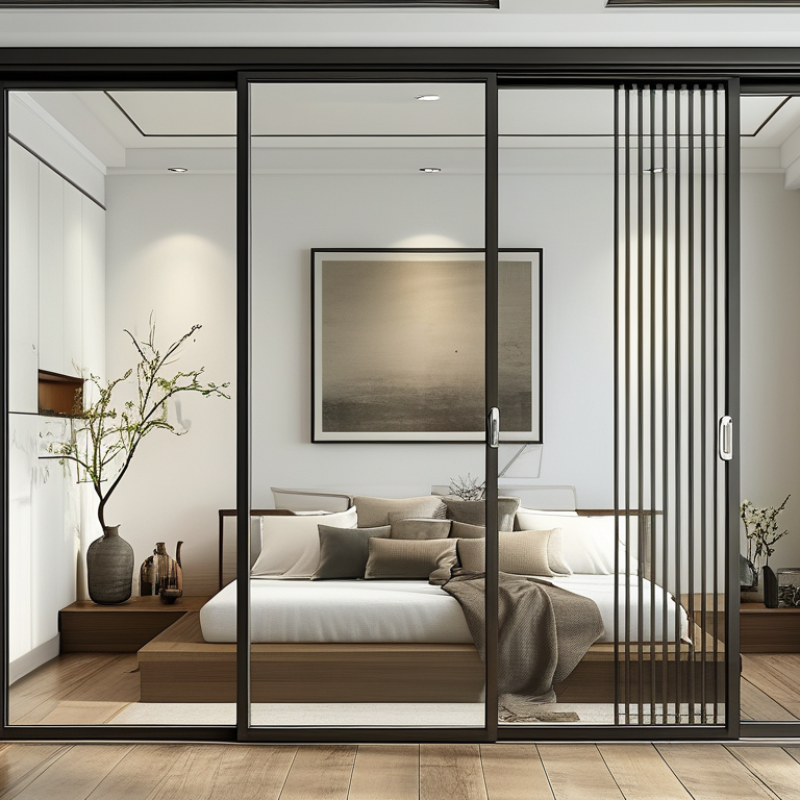
The Concept of Sliding Doors in Modern Architecture
Sliding doors have transformed modern architecture by creating a seamless flow between indoor and outdoor spaces. This concept extends beyond aesthetics. They offer practical benefits in terms of space-saving design and energy efficiency. Instead of traditional hinged doors, sliding variants can open up rooms and maximize natural light. Imagine a living room where sunlight pours in through expansive glass panels, enhancing the ambiance of your home.
Incorporating sliding doors into a home can also encourage reflection on the relationship between interior spaces and nature. While they are great for views, they require careful consideration regarding privacy and security. One must weigh the benefits against the potential vulnerabilities, especially in urban settings. Choosing quality materials becomes paramount. A well-designed sliding door system not only serves its functional purpose but also elevates the overall aesthetic of the space.
The beauty of sliding doors lies in their versatility. They can be used in various settings, from living rooms to patios. However, they may not be suitable for every home. Homeowners should evaluate their specific needs and lifestyle before making a decision. Ultimately, sliding doors represent a modern solution that connects people with their environment while inviting thoughtful consideration of design choices.
Benefits of Sliding Doors for Space Efficiency and Design
Sliding doors have become a popular choice for modern homes, thanks to their space-efficiency and aesthetic appeal. These doors allow for seamless transitions between indoor and outdoor spaces. In smaller homes, they can create an illusion of a larger area. Unlike traditional doors that swing outward, sliding doors save valuable floor space. This feature is particularly useful in tight living areas where every inch counts.
Beyond space efficiency, sliding doors enhance design. They offer expansive glass panels that maximize natural light. This light can make even the coziest rooms feel inviting. However, the initial investment can be higher than traditional doors. Homeowners should weigh the benefits against the cost. Poor installation may lead to issues, such as drafts or misalignment. Ensuring proper maintenance is crucial to keep them functioning well. Choosing the right style and finish is essential for coherence with your home’s design, which can be challenging.
The integration of sliding doors can bring style and utility to your home. Yet, it’s important to think ahead and plan carefully. As your needs change, these doors can adapt too. They provide flexibility that traditional doors lack. It's an ongoing process to reflect on both style and function, ensuring that your living space feels just right.
Benefits of Sliding Doors for Space Efficiency and Design
Enhancing Indoor-Outdoor Flow with Sliding Doors
Sliding doors have become a staple in modern home design. They beautifully connect indoor spaces with outdoor environments. This enhances the flow of light and air, making homes feel more expansive. Opening a sliding door creates a seamless transition from a living room to a patio, enriching daily experiences.
Consider the placement of furniture near your sliding doors. Arrange furniture to allow for easy access and visibility of the outdoor view. This not only makes the room functional but also inviting. A well-placed rug can define spaces and enhance comfort, especially in smaller areas.
Installing sliding doors can be a game-changer. They bring natural light indoors, which can brighten up darker areas. When selecting materials, think about energy efficiency. Glass options with good insulation can help maintain indoor temperatures, saving on energy costs. Regular maintenance is also crucial. Keep the tracks clean and check for wear to ensure longevity.
Choosing the Right Materials and Styles for Sliding Doors
Sliding doors are increasingly popular in modern homes, thanks to their aesthetic appeal and practical functionality. When choosing the right materials, homeowners often consider glass, wood, and aluminum. Glass doors create an illusion of space and allow natural light to flood in. According to a recent industry report, homes with ample natural light can enhance well-being and increase property value by up to 15%. However, glass requires careful consideration regarding safety and insulation.
Wood offers a warm, classic look. It can be customized to fit various styles, from rustic to contemporary. Industry data suggests that wood sliding doors can last for decades with proper maintenance. However, they may need regular upkeep to prevent warping or damage from moisture. Lastly, aluminum frames provide a sleek, modern look with high durability. They are often chosen for their resistance to weather elements, making them suitable for various climates.
As homeowners weigh their options, they must balance aesthetics with functionality. While beautiful designs are essential, practicality should not be overlooked. Choosing durable materials that require less maintenance may lead to long-term satisfaction. Reflecting on these choices can help homeowners create spaces that are both stylish and livable.
Maintenance Tips for Long-Lasting Sliding Doors
Sliding doors have become a staple in many modern homes. They provide easy access to outdoor spaces and enhance natural light in interiors. However, maintaining these doors is crucial for longevity and functionality. In fact, regular maintenance can extend the life of sliding doors by an impressive 30%, according to industry studies.
Routine cleaning is essential. Dust and debris can accumulate in the tracks, leading to performance issues. A simple solution is to vacuum the tracks monthly. For persistent grime, a damp cloth with mild detergent works well. Ensure the wheels are free of dirt too, as this can affect movement. Of note, some homeowners overlook the alignment of their doors, which can lead to unnecessary wear. A door that is misaligned can be more challenging to operate and may require realignment or additional repair work.
Lubrication is another critical aspect. Applying a silicone-based spray to the tracks bi-annually keeps the doors gliding smoothly. However, many forget this step, causing frustration and unnecessary damage over time. Inspect seals for wear and tear, as compromised seals can lead to energy loss. Remember, overlooked maintenance can result in costly repairs down the line. Being proactive will ensure that sliding doors remain an asset, rather than a liability.
FAQS
: Glass, wood, and aluminum are popular materials for sliding doors.
Glass doors allow natural light and create an illusion of space, enhancing well-being.
Wood needs regular upkeep to prevent warping and moisture damage.
Wood sliding doors can last for decades with proper care.
Aluminum doors are durable and resistant to weather elements, suitable for various climates.
Regular cleaning and lubrication are essential for keeping sliding doors functional.
Misaligned doors can be hard to operate and may need realignment or repairs.
Lubrication should be done bi-annually to ensure smooth movement.
Overlooked maintenance can lead to costly repairs and reduce the lifespan of doors.
Regularly inspect and maintain doors to prevent them from becoming a liability.
Conclusion
Sliding doors have become a staple in modern architecture, offering a blend of style and functionality that enhances contemporary homes. Their sleek design allows for space efficiency, making them ideal for smaller living areas while simultaneously creating an inviting aesthetic. One of the standout benefits of sliding doors is their ability to enhance the indoor-outdoor flow, seamlessly connecting living spaces with patios, gardens, or balconies. This feature promotes a greater sense of openness and natural light within the home.
When selecting sliding doors, it’s essential to consider the right materials and styles that complement the overall design of the house. Options range from traditional wood to modern aluminum or glass, each offering unique advantages. To ensure the longevity of sliding doors, regular maintenance, such as cleaning tracks and lubricating wheels, is crucial. By focusing on these aspects, homeowners can enjoy the beauty and practicality of sliding doors for years to come.

 Suozhe Windows