Choosing the best Thermal Break Aluminum Windows is crucial for energy efficiency and comfort. These windows play a vital role in thermal insulation. Reports indicate that thermal break technology can reduce heat transfer by up to 50%. This means significant energy savings for homeowners and businesses alike.
When selecting these windows, one must consider factors like design, performance ratings, and warranty. Not all thermal break aluminum windows are created equal. Some may not meet industry standards, leading to potential issues down the line. It's essential to consult reliable sources and verify product certifications.
In addition, the aesthetics of thermal break aluminum windows should not be overlooked. A wide range of styles and finishes are available. However, the right choice depends on specific building needs and local climate. Taking the time to research and understand options will lead to long-term satisfaction with your investment in thermal break aluminum windows.
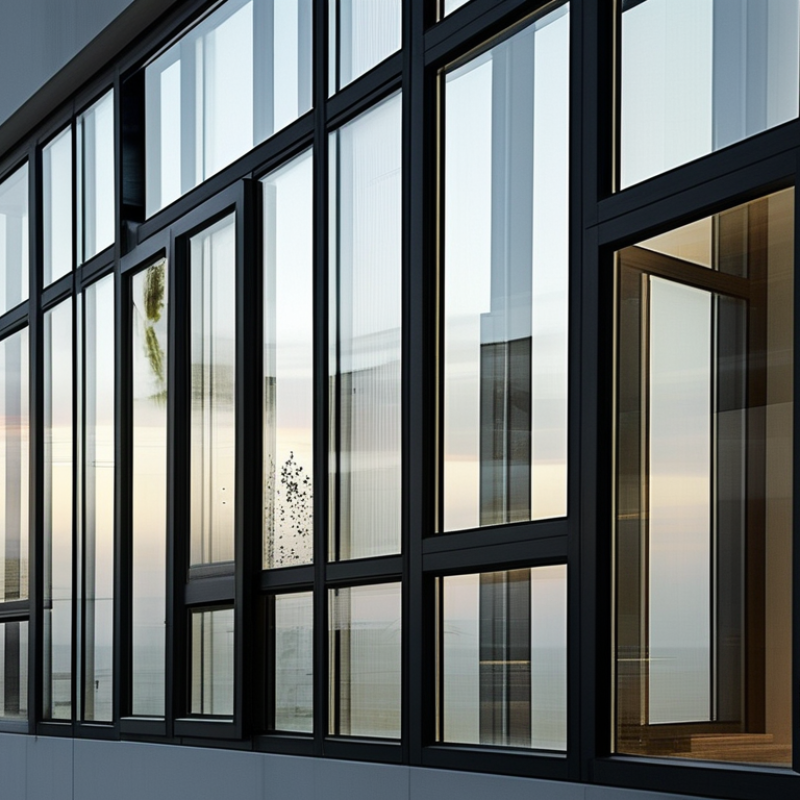
Thermal break technology is crucial in modern aluminum windows. It significantly improves energy efficiency. A thermal break typically consists of a non-conductive material. This material is placed between the interior and exterior frames. By doing this, it helps to reduce heat transfer. As a result, homes remain warmer in winter and cooler in summer.
Choosing windows with thermal breaks can lead to better comfort levels in your home. However, not all thermal breaks are created equal. Some may be more effective than others. It’s crucial to look at the performance ratings. Pay attention to the U-value and solar heat gain coefficients. These numbers reveal how well a window insulates.
While these details are important, window aesthetics cannot be overlooked. Choosing the right design enhances your home’s appearance. An effective balance between style and functionality is key. Investing in quality thermal break aluminum windows may cost more initially. However, the long-term energy savings can justify the higher price. Reflect on what matters most for your space and needs.
| Feature | Importance Level | Description |
|---|---|---|
| Thermal Break Material | High | Ensures reduced thermal bridging which enhances energy efficiency. |
| Window Frame Design | Medium | Design affects aesthetics and energy performance, including air infiltration rates. |
| Glazing Type | High | Double or triple glazing options enhance insulation and soundproofing. |
| U-Value | High | Lower U-values indicate better insulation properties. |
| Air Tightness | Medium | Good air tightness minimizes energy loss due to leaks. |
| Finish Options | Medium | Aluminum can be painted or anodized for durability and aesthetics. |
| Installation Quality | High | Proper installation is critical for performance and longevity. |
: It uses non-conductive materials between frames to reduce heat transfer. This keeps homes comfortable year-round.
They improve energy efficiency, enhancing comfort by keeping homes warmer in winter and cooler in summer.
No, effectiveness varies. Check performance ratings, like U-value and solar heat gain coefficients.
Balance between aesthetics and functionality is essential. The right design enhances your home’s appearance significantly.
Yes, higher initial costs can lead to long-term energy savings. Reflect on your needs and budget carefully.
It ensures optimal insulation and performance. Misalignment can lead to air leaks and decreased efficiency.
Regularly check seals and frames. Use gentle cleaners to avoid scratches. Replace worn weather stripping promptly.
Inadequate care can lead to moisture buildup and costly repairs. Small issues can worsen over time.
Invest time in insulation checks. Regular inspections help spot damage early and maintain thermal efficiency.
Failing to measure accurately or aligning frames properly often leads to gaps and reduced performance.
Thermal Break Aluminum Windows are becoming increasingly popular due to their energy efficiency and modern aesthetic. Understanding the thermal break technology is essential, as it involves a non-conductive material that separates the interior and exterior frames, helping to minimize heat transfer. When selecting these windows, key factors include the energy efficiency ratings, which can vary significantly among different models, and the specific styles and designs that complement your architectural needs.
Installation and maintenance are also crucial for ensuring the longevity of Thermal Break Aluminum Windows. Proper installation prevents air and water infiltration, while regular maintenance helps maintain their performance and appearance over the years. By considering these elements, homeowners can make informed decisions that enhance comfort and energy savings in their living spaces.

 Suozhe Windows