Minimalist sliding doors have transformed modern home design. These doors blend style and functionality, creating open spaces while ensuring privacy. According to a recent report by the Door & Window Manufacturers Association, the demand for minimalist sliding doors has surged by 25% in the past three years. This trend reflects a growing appreciation for sleek, unobtrusive designs in residential architecture.
Expert Jane Holloway, a renowned specialist in home design, emphasizes, “Minimalist sliding doors enhance not only spaces but lifestyles.” Her insights highlight the balance these doors strike between aesthetic appeal and practical utility. Homeowners increasingly seek simplicity, which has led to a resurgence in minimalist styles across various settings.
However, choosing the right minimalist sliding doors can be challenging. Different materials, sizes, and mechanisms can overwhelm potential buyers. While aesthetics play a crucial role, functionality and durability are equally important. It's essential to carefully consider these factors to avoid design regrets later. In the quest for the perfect minimalist sliding doors, striking this balance is key.
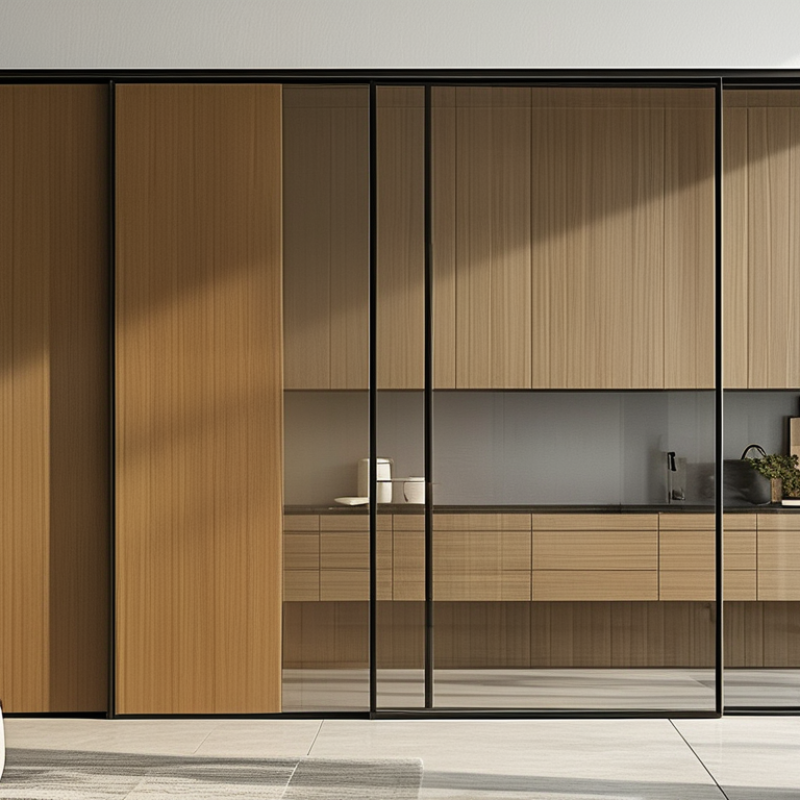
Understanding Minimalist Design Principles in Home Interiors
Minimalist design is rooted in simplicity and functionality. It emphasizes open spaces and natural light. In home interiors, this translates to clean lines, muted colors, and well-thought-out layouts. By prioritizing essential elements, you create a calming atmosphere. Minimalist sliding doors are an excellent choice, as they blend seamlessly with the overall aesthetic, contributing to spatial harmony.
When choosing sliding doors, consider materials that reflect this design philosophy. Glass, for instance, fosters an openness and allows light to flow freely between rooms. Wood can add warmth but should be chosen carefully to maintain a light, airy feel. Pay attention to details, like the door frame and hardware, which should also align with minimalist principles. A simple handle can make a statement without overwhelming the space.
It's crucial to reflect on your choices, as even minimalist design can lean towards minimalistic clutter. A well-designed interior should feel intentional and not forced. Avoid overcrowding spaces with unnecessary decorations. Remember, each piece should serve a purpose or evoke a feeling. The goal is to create a timeless, functional environment that inspires tranquility and focus.
Discover the Best Minimalist Sliding Doors for Your Home Design
This chart displays the popularity percentage of different types of minimalist sliding doors in home design, highlighting the trending preferences among homeowners.
Benefits of Installing Sliding Doors in Minimalist Spaces
Sliding doors are becoming popular in minimalist interior design. They offer a sleek, unobtrusive look that enhances space while providing functionality. In smaller homes, these doors can create an illusion of openness. This design choice allows for natural light to flow freely, making spaces feel larger and more inviting.
Installing sliding doors in minimalist areas has various advantages. They save floor space since they do not swing open. This feature is particularly beneficial in tight quarters. Furthermore, sliding doors can seamlessly connect indoor and outdoor environments. A well-placed sliding door can turn a small balcony into an extended living room. However, the installation process may require careful measurement and consideration of track placements.
Despite their benefits, there are some aspects to reflect on. Sliding doors can be less secure than traditional doors. It's crucial to ensure proper locking mechanisms are in place. Maintenance may also involve regular cleaning of the tracks to avoid debris. Overall, while they can elevate your minimalist design, thoughtful planning is essential for optimal function and safety.
Key Materials Used for Minimalist Sliding Doors
Minimalist sliding doors have become a popular choice in modern home design. They blend style and functionality seamlessly. Key materials play a significant role in achieving the minimalist aesthetic. Commonly used materials include glass, wood, and metal.
Glass is often favored for its ability to create an illusion of space. It allows natural light to flow through, making interiors appear larger. However, choosing the right glass can be tricky. Thicker glass adds durability but may compromise a light, airy feel.
Wood offers warmth and texture. It can be styled in various finishes, from natural to painted. However, wood can be susceptible to warping and humidity. Metal sliding doors provide an industrial touch. They are sturdy but can feel cold and impersonal. Balancing these materials is essential. Each has its pros and cons, and the choice should reflect personal style and practical needs.
Discover the Best Minimalist Sliding Doors for Your Home Design - Key Materials Used for Minimalist Sliding Doors
| Material |
Durability |
Weight |
Aesthetic |
Cost (per sq. ft.) |
| Glass |
High |
Medium |
Elegant and Modern |
$50 |
| Wood |
Medium to High |
Heavy |
Warm and Natural |
$40 |
| Aluminum |
High |
Light |
Sleek and Contemporary |
$45 |
| Fiberglass |
Very High |
Light |
Modern with Texture |
$55 |
Top Aesthetic Features of Modern Sliding Doors
Modern sliding doors are a stylish choice for contemporary homes. They provide an open feel while maximizing space. The aesthetic appeal of these doors often stems from their clean lines and minimalistic design. According to a report from the Architectural Design Institute, minimalism in home design can enhance both functionality and visual appeal, leading to a 20% increase in perceived home value.
Material choice plays a significant role in the overall look of sliding doors. Glass is popular for its ability to let in natural light. However, many opt for wood or metal frames to add a touch of warmth or sleekness. The combination of materials often influences the door's insulation properties. A study by the Environmental Building News states that energy efficiency improvements, gained via modern sliding doors, can reduce energy costs by up to 15%.
Color also matters. Neutral shades are often favored for a more timeless style. This allows the door to blend seamlessly with existing decor. However, experimenting with bold colors can make a powerful statement, drawing attention to the entrance. Striking a balance can be challenging. While trends fluctuate, the enduring appeal of minimalist design remains strong, necessitating careful consideration during the selection process.
Choosing the Right Size and Style for Your Home's Layout
Choosing the right size and style of minimalist sliding doors can significantly enhance your home layout. Research shows that the dimensions of sliding doors often impact both functionality and aesthetics. For instance, doors that are too narrow can restrict access, while overly wide options might waste space. An ideal door width ranges from 36 to 48 inches, allowing seamless movement between rooms.
When considering styles, minimalism highlights simplicity and elegance. Sliding doors made of glass can amplify natural light, creating an open feel. Studies indicate that ample natural light can elevate mood and productivity by up to 20%. However, it's essential to balance transparency with privacy, especially in areas like bedrooms and bathrooms. Frosted or textured glass options provide a solution while maintaining a minimalist appearance.
Evaluating your home's layout is crucial. Verify the door's placement in relation to furniture and traffic flow. Acoustic performance also matters; thicker materials can reduce noise transfer. According to industry reports, homeowners looking to optimize their space often overlook these aspects. Regular assessments of your home's needs are necessary. Understanding the right dimensions and styles can transform a space from ordinary to extraordinary.
Conclusion
Discovering the best Minimalist Sliding Doors for your home design can significantly enhance your living space while adhering to minimalist design principles. By understanding these principles, homeowners can appreciate the benefits of incorporating sliding doors, which create an open atmosphere and maximize space efficiency. Minimalist sliding doors often utilize key materials such as glass and wood, allowing them to blend seamlessly into contemporary decor.
In addition to materials, aesthetics play a crucial role in modern sliding doors. Features like clean lines and a muted color palette contribute to a more streamlined look. When selecting the right size and style, it’s essential to consider your home's layout to ensure harmony throughout the design. Overall, minimalist sliding doors not only serve a functional purpose but also elevate the overall aesthetic of your home.

 Suozhe Windows