Buying Folding Doors online can feel convenient, but the screen hides important details. A product image cannot show how smoothly the panels move, how strong the hinges feel, or whether the frame suits your wall. Careful research matters before you place an order.
Neil Ginger, founder of Origin Global, offers a useful perspective: “A beautiful door still has to perform every day.” That idea should guide every online purchase. The seven tips ahead examine accurate measuring, panel configurations, frame materials, glazing, weather performance, installation, and after-sales support. They also encourage you to compare technical specifications instead of trusting impressive photographs. Small details matter. A low U-value, reliable locking system, and clear warranty can affect comfort and long-term costs.
Measure the opening twice.
Then check the manufacturer’s measuring instructions. Your opening may not be perfectly square, especially in an older home. I have seen buyers focus on the lowest price and overlook delivery access, floor levels, or installation requirements. That is an easy mistake to make. It is also a useful reminder that online convenience does not remove practical responsibility.
Reliable sellers should provide product drawings, glazing information, maintenance guidance, and responsive contact options. Independent reviews can help, but they are not always complete or genuine. Look for consistent evidence across several sources. Consider how the doors will open beside furniture, radiators, or a garden path. The best Folding Doors are not simply attractive. They should fit your space, climate, routine, and budget without creating new problems. A rushed decision may look affordable today, yet expensive repairs can follow later.
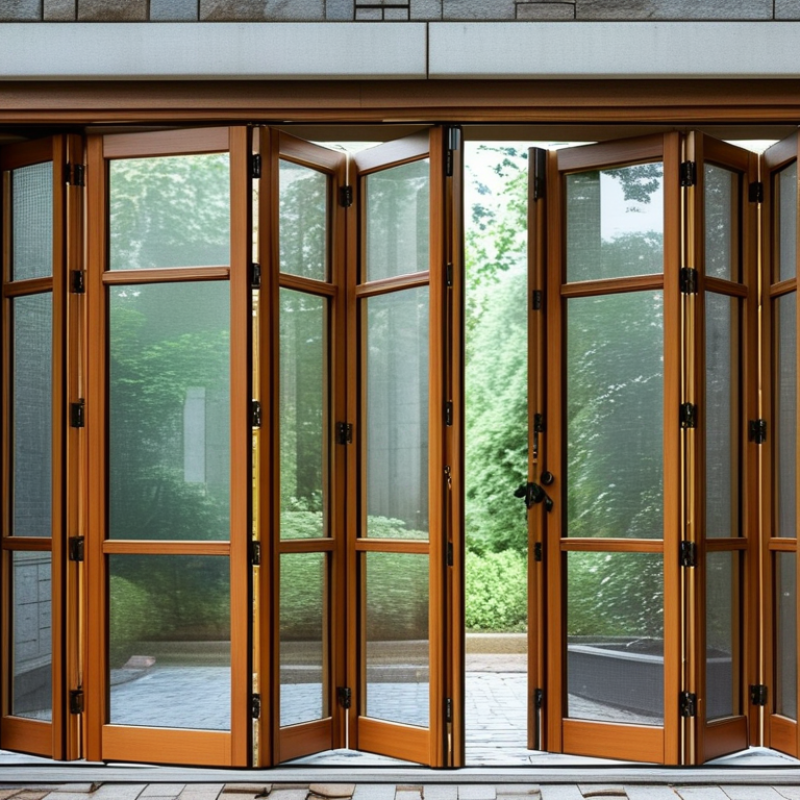
Define Your Folding Door Needs and Available Space
Buying folding doors online starts with your room, not a product filter. Measure the opening at three points: top, middle, and bottom. Record the smallest width and height. Uneven walls are common, and online listings often show ideal dimensions. Leave space for the panels to stack, swing, or slide. A 3.6-meter opening may need a clear stacking zone of 600–900 millimeters. Check the finished floor height, ceiling level, nearby furniture, and exterior drainage. Small mistakes become expensive after delivery.
Tip: Draw the opening first. Mark panel movement with tape on the floor. Then measure again.
Your climate also defines the door specification. The U.S. Department of Energy states that windows can represent 25%–30% of residential heating and cooling energy use. Large glazed folding doors can create similar comfort risks if their glass and seals are poorly selected. Compare U-factor, solar heat gain coefficient, air leakage, and water resistance. These ratings are explained through the National Fenestration Rating Council’s certification system. Choose lower U-factor values for colder conditions, but do not ignore solar exposure. A west-facing opening may overheat in summer.
Tip: Ask for the full performance label, not only “energy efficient.”
Consider daily use before choosing panel quantity. Four narrow panels may feel lighter, yet they create more hardware and sightlines. Wider panels offer clearer views but require stronger frames and careful handling. I once underestimated furniture clearance; the door worked, but the room felt cramped. Recheck delivery access, stair turns, and installation tolerances. Online dimensions are not installation drawings.
Evaluate Seller Reliability, Reviews, Warranties, and Return Policies
7 Tips for Buying Folding Doors Online?
When buying folding doors online, seller reliability matters as much as the door itself. Tip 1: Check the seller’s business details, contact options, and operating history. A clear address and responsive support suggest accountability. Tip 2: Read reviews beyond the star rating. Look for comments about delivery damage, measurements, hardware quality, and after-sales responses. Recent reviews are more useful. Tip 3: Ask for installation instructions before paying. If the seller cannot explain track sizes or panel weights, pause.
Tip 4: Study the warranty carefully. Confirm which parts it covers, including hinges, rollers, glass, seals, and frames. Check its length and claim process. Some warranties sound generous but exclude common wear. That detail matters. Tip 5: Compare customer photos with the product listing. Images can reveal uneven gaps, weak handles, or color differences. I once focused too much on appearance and overlooked the threshold height. That was a costly oversight.
Tip 6: Read the return policy line by line. Confirm deadlines, restocking charges, return shipping, and damage-reporting requirements. Large doors may require special transport. Tip 7: Save screenshots of specifications, promises, and messages. They create a practical record if details change later. Measure the opening twice, preferably with another person. Even experienced buyers make mistakes. A small measurement error can prevent smooth folding and leave an expensive door unused.
Calculate Total Costs, Delivery Details, and After-Sales Support
Buying folding doors online can be convenient, but the displayed price rarely shows the complete cost. Measure the opening twice, including width, height, wall depth, and floor level. A small error can make installation expensive. Confirm the panel layout, opening direction, frame material, glass type, locks, handles, and included hardware. Ask for a written quotation covering delivery, taxes, installation, old-door removal, trim, and possible stair access charges. Keep a 10–15% allowance for adjustments or missing tools. My own mistake was assuming standard measurements would fit; they did not.
Check the delivery policy before paying. Confirm the production period, shipping method, tracking process, and whether delivery reaches your room or only the property entrance. Measure gates, corridors, lifts, and doorways for the packed crate. Inspect every panel before signing, and photograph damaged packaging immediately. After-sales support matters just as much as the door itself. Read the warranty for glass, rollers, seals, hardware, and finish separately. Ask how replacement parts are ordered, how quickly support responds, and whether remote installation guidance is available. Save the invoice, measurements, product drawings, and installation photographs. They can protect you during a dispute. Still, online advice has limits; a qualified local installer should verify structural conditions before fitting.
Conclusion
Buying Folding Doors online requires careful planning to ensure the product suits your home, lifestyle, and budget. Start by identifying the purpose of the doors and measuring the available opening, including wall space and ceiling clearance. Consider suitable materials, styles, colors, glazing options, and folding mechanisms, as each choice can affect appearance, durability, insulation, maintenance, and ease of operation. Review detailed product specifications and confirm whether professional installation, special tools, or additional hardware will be required.
Before placing an order, assess the seller’s reliability by reading verified customer reviews and checking warranty terms, return conditions, and communication quality. Calculate the complete cost, including taxes, shipping, installation, accessories, and potential customization fees. Also confirm delivery schedules, packaging arrangements, damage-reporting procedures, and the availability of after-sales assistance. By comparing these factors carefully, you can choose Folding Doors that provide dependable performance, attractive design, and long-term value.
 Suozhe Windows
