As the demand for modern architecture grows, Aluminum Windows and Doors stand at the forefront of design innovation. These elements not only enhance aesthetics but also improve energy efficiency. Buyers are seeking products that offer durability and style while being environmentally friendly.
In 2026, we anticipate several trends that will shape the market for aluminum installations. Customization options will likely gain popularity, allowing homeowners to reflect their personal style. Furthermore, integrating smart technology into Aluminum Windows and Doors will appeal to tech-savvy consumers. It's evident that sustainable practices will also influence design choices, creating a need for responsible sourcing and manufacturing.
However, challenges remain. Buyers may struggle with finding reliable suppliers that prioritize quality and sustainability. It's essential to consider both design and function when investing in these products. Understanding these trends can empower global buyers to make informed decisions, ultimately leading to more satisfying results.
The aluminum windows and doors market is evolving rapidly. Emerging materials are at the forefront of this trend for 2026. One significant shift is the incorporation of recycled aluminum. According to the Aluminum Association, using recycled aluminum can reduce energy consumption by up to 95%. This sustainability practice not only lowers the carbon footprint but also meets the increasing consumer demand for eco-friendly products.
Another exciting development is the integration of thermal break technology. This innovation enhances energy efficiency. Recent studies show that windows with thermal breaks can improve insulating properties by 50%. Manufacturers are focusing on optimizing these features, reflecting a growing awareness of energy-efficient design. However, the implementation of such technology may increase production costs, requiring thoughtful analysis from buyers.
Additionally, advancements in coatings and finishes are noteworthy. New powder coatings offer better UV resistance and durability. They can last longer and require less maintenance compared to traditional finishes. However, quality control remains a challenge. Ensuring consistency in these new materials demands rigorous testing and monitoring. The industry must address this to fully realize the benefits of these emerging trends.
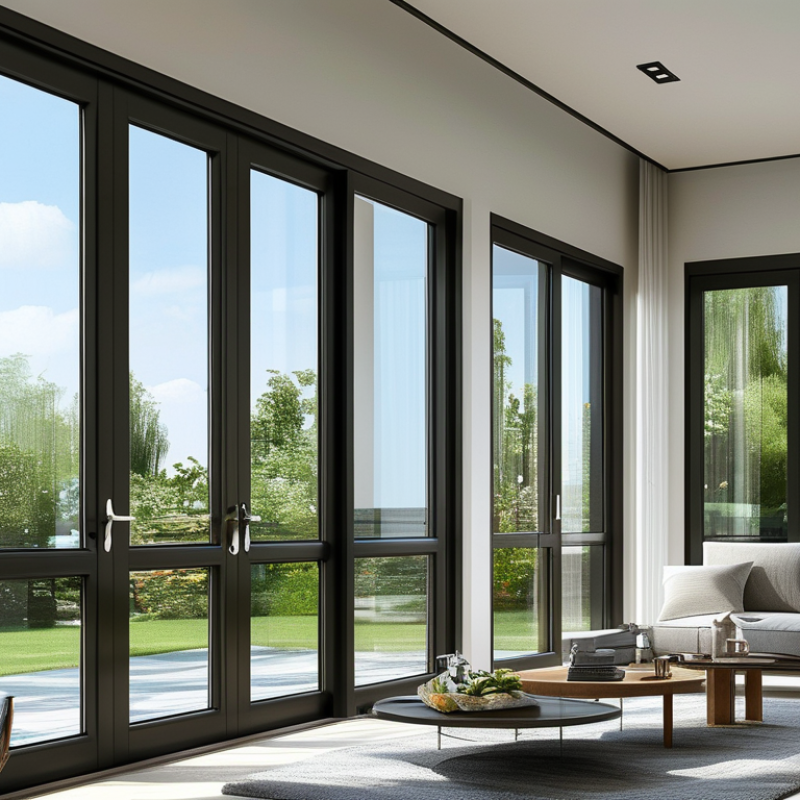
The trends in aluminum windows and doors for 2026 show a shift towards innovative designs. Modern aesthetics play a crucial role in architecture. Homeowners and architects are focusing on sleek profiles and varied finishes.
Black and matte colors are gaining popularity, providing a bold contrast to traditional styles. Large glass panes create a seamless indoor-outdoor connection, enhancing natural light and scenic views.
Sustainability is another key aspect. Buyers prefer energy-efficient solutions that reduce their carbon footprint. Aluminum's recyclability makes it an attractive option. However, some may find the upfront costs challenging. It's essential to weigh long-term benefits against initial investments.
Customization is also highly valued. Clients want unique designs that reflect their personal style. This trend requires manufacturers to adapt quickly. Balancing innovative designs with practicality can be difficult, but it fosters creativity.
Incorporating smart technology is on the rise. Automated windows and doors improve convenience and security. Yet, installation complexities can complicate the process. Safety standards must be maintained, which can sometimes hinder innovation. Overall, the aluminum window and door market is evolving, with exciting prospects for future designs.
In 2026, energy efficiency remains a top priority in aluminum windows and doors. Eco-friendly solutions are not just trends; they reflect changing buyer demands. Reports suggest that over 40% of consumers prioritize energy efficiency when making purchasing decisions. This shift is driven by rising energy costs and environmental concerns.
The energy performance of aluminum windows and doors has seen significant advancements. Many manufacturers are now utilizing thermal breaks and improved insulation technologies to boost energy efficiency. According to the U.S. Department of Energy, proper insulation can reduce energy bills by up to 30%. Additionally, eco-friendly materials in production are becoming more common. This shift supports sustainability while meeting regulatory standards.
However, challenges remain in balancing aesthetics and energy performance. Some buyers may be hesitant to compromise design for efficiency. The industry must address this concern by offering innovative solutions that do not sacrifice style. As demand grows, ongoing research in materials and design will be crucial for sustaining growth while meeting energy efficiency standards. The pursuit of eco-friendly aluminum solutions is a work in progress, but the direction is clear.
The integration of smart technology in aluminum windows and doors is revolutionizing building designs. The trend is driven by homeowners' desire for convenience and energy efficiency. A recent report highlights that 70% of homeowners prioritize smart features when renovating their homes. This indicates a significant shift in what buyers are looking for.
Smart technology offers features like automated locking systems, integrated sensors, and remote controls. These advancements enhance security and convenience. However, the challenge lies in the compatibility of these technologies with existing structures. Adapting older buildings to accommodate new tech can be costly and complex. Another concern is cybersecurity, as connected systems can be vulnerable to hacking. Industry experts emphasize the need for robust security measures to mitigate these risks.
Sustainability plays a crucial role in this trend. Smart windows that can adjust tint based on sunlight reduce energy consumption. According to the U.S. Department of Energy, homes with smart windows can save up to 30% on cooling costs. However, some products on the market may not fully deliver the promised energy savings. Buyers should investigate claims and seek comprehensive data before investing.
In recent years, customization has become a key focus for buyers of aluminum windows and doors. According to a market analysis report by Research and Markets, the global architectural aluminum market is projected to grow at a CAGR of 5.1% from 2021 to 2026. This growth is driven by the demand for bespoke solutions tailored to individual preferences and architectural styles. Buyers increasingly seek options that reflect personal aesthetics while also providing functionality.
Customization options range from different finishes and colors to unique sizes and shapes. Buyers can choose thermal breaks and high-performance glass types to enhance energy efficiency. For instance, bifold doors with personalized configurations can redefine spaces, offering both elegance and practicality. However, the challenge often lies in balancing custom needs with manufacturing capabilities. Many manufacturers struggle to maintain quality and reduce lead times while offering extensive customization.
Sustainability is another important aspect. Many buyers prefer eco-friendly materials and processes, which can complicate customization due to sourcing constraints. The industry is witnessing a shift towards sustainable practices, yet it remains a complex issue. Not all customized aluminum products meet stringent environmental standards, highlighting the need for ongoing improvements in production methods. As buyers navigate these choices, the demand for transparent information becomes increasingly essential.
: Recycled aluminum is a major trend. It can significantly cut energy use, supporting eco-friendly choices.
This technology enhances insulating properties by nearly 50%. However, it can lead to higher production costs.
New powder coatings offer better UV resistance and last longer. Yet, quality control issues may arise during production.
Modern aesthetics favor sleek profiles, matte colors, and large glass panes for increased natural light.
Buyers want unique designs reflecting their personal style while balancing functionality. Custom options are now essential.
Many struggle to maintain quality and reduce lead times while meeting diverse customization requests from buyers.
Eco-friendly materials are preferred. However, sourcing these materials can complicate the customization process.
Automated systems enhance convenience and security, but installation can be complex and may hinder innovation.
Buyers need clear information on options and sustainability. This helps them navigate complex choices effectively.
While there are benefits, challenges like cost and quality control need careful consideration.
The 2026 trends for Aluminum Windows and Doors showcase an exciting evolution in design, materials, and functionality. Emerging materials are enhancing the durability and sustainability of these products, while innovative designs are focusing on aesthetics that cater to modern architectural preferences. Energy efficiency is a priority, with new eco-friendly aluminum solutions meeting stringent standards, promoting sustainability in construction.
Moreover, the integration of smart technology is transforming the way Aluminum Windows and Doors operate, providing users with enhanced convenience and security features. Customization options are also becoming more accessible for global buyers, allowing for tailored solutions that meet specific needs and preferences. As these trends unfold, the aluminum window and door market is set to redefine standards in both residential and commercial spaces.

Suozhe Windows